 By canadianyardie

Sound Clash Chronicles: How Dubplates and Selectors Ruled The 90s & 2000s Era
The modern music landscape, defined by seamless digital streaming and instant global connectivity, feels light-years away from the gritty, high-stakes battlegrounds of the 1990s and 2000s sound clash era. During these two pivotal decades, the heart of reggae and dancehall culture beat in a raw, competitive arena where musical supremacy was not measured by clicks or downloads but by physical forwards, counter-actions, and, ultimately, the “killing” of an opponent’s sound system. In this golden age, two elements emerged as the absolute rulers: the selector, a master of crowd psychology and musical strategy, and the dubplate, a unique, acetate-pressed weapon of sonic destruction. This article chronicles the rise, dominance, and enduring impact of this crucial period in sound clash history.
The Foundation: Sounds, Crews, and the Ultimate Goal
To understand the 90s and 2000s, one must understand the anatomy of a sound system. A sound system was far more than just a collection of powerful speakers; it was a collective, a musical army with a hierarchy. At the helm were the owner and the manager, but the public-facing soldiers were the selectors, the MCs, and the technical crew. In the early days, clashing was often about which sound had the heaviest bass, the clearest top-end, or the most power. By the 90s, while power was still critical, the battlefield had shifted decisively toward exclusive musical content and technical skill.
The primary objective of a sound clash was to eliminate the opposing sound by winning the crowd’s favor. This favor was demonstrated through “forwards”: a physical surge of the crowd toward the front, hands in the air, often accompanied by the sound of ‘lighters’ being flicked or early mobile phone screens being waved. A selector’s job was to ignite the crowd, generate forwards, and force the opposing sound to “counter-act,” or play a stronger song to regain control. If a sound failed to connect, was repetitive, or, worst of all, played a “worn-out” or public record in a critical round, they faced the ignominy of being “booed” and, in the final round, “killed.“
The Selector: Master of the Musical Universe
The selector was the commander-in-chief in the arena. More than just a DJ who mixes tracks, a top-tier selector in this era possessed an uncanny, near-psychic ability to read a room of thousands. They understood tempo, key, and, most importantly, the specific tastes of the “heads” and the “aficionados” who stood at the back and often dictated the standard of quality.
Selectors like Bass Odyssey’s Squingy, Killamanjaro’s Ricky Trooper, or Mighty Crown’s Simon were not just playing songs; they were building an emotional and competitive narrative. A selector had to know when to play a foundational 70s rocksteady classic to evoke nostalgia, when to drop a current number one juggling riddim, and when to unleash the ultimate, custom-made weapon. This requires meticulous preparation, spanning months of collecting records, booking studio time, and strategizing battle-ready playlists. The competitive spirit Wiley described in the UK’s grime scene also ran through the selectors, with Ricky Trooper stating, “the reason why I war is because I’m a sportsman about it… it helps raise my level.” Selectors like Mighty Crown took the international stage, making history by dominating global audiences, expanding the culture from street clashes to global spectacles.
The Dubplate: The Ultimate Weapon
If the selector was the general, the dubplate was the unstoppable super-weapon. The search result at 1.1.1 defines it clearly: “dubplate, became better known in the ‘90s onwards as a weapon in sound clashes where warring sounds would compete with customised versions of popular songs tagged with the sound’s name.” Initially, a dubplate was a 10-inch acetate disc, a test press of a recording before it went to final vinyl production. For sound systems, however, it became a bespoke musical creation.
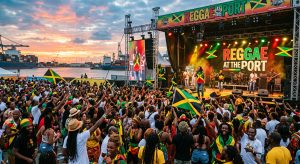
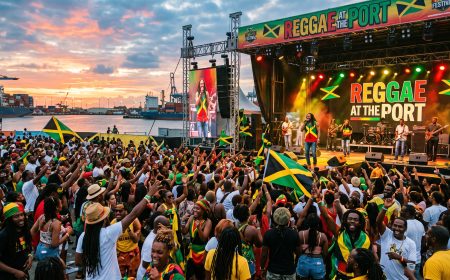
A selector would book an artist in a recording studio, sometimes for vast sums of money, to re-record their hit song with customized lyrics that directly praised the sound system and insulted its rivals. Picture a dynamic, gritty outdoor clash under dramatic lights, described in search result 1.6.1, where a selector drops the needle: “a one-of-a-kind track, custom-made… designed to hit harder than anything else.” A public, radio-played track by Buju Banton, Beenie Man, or Bounty Killer was powerful, but a “dubplate special,” where the same artist would sing, “Mighty Crown is the king, and Bass Odyssey have to run,” was an absolute forward-generator.
The 90s and 2000s saw an arms race of dubplates. Sound systems needed exclusives from every major artist, and they needed them to be unique. This era gave rise to the iconic intro, often a deep, gravelly voice, like Alty ‘Fuzzy Jones’ Salmon, mocking the competition before the custom vocal track would slam in. Research result 1.6.2 highlights a critical rule: “all dubplates must feature the DJ’s name, marking it as exclusive for that particular DJ, otherwise the DJ faces instant disqualification.” This ensured that the battle remained one of exclusive ownership and strategic depth, not just who had the latest radio single.
The Evolution of the Clash: From the Street to the World
The structure of clashes evolved to accommodate this new emphasis on exclusivity and strategy. A typical big-ticket clash of the late 90s, like “World Clash” or “Death Before Dishonor,” would involve multiple sounds playing rounds that decreased in length, with elimination based on poor performance. This would build to the final, most prestigious round: “Dub fi Dub,” or tune-for-tune. Here, the final two remaining sound systems would go head-to-head, playing one dubplate each, with the crowd deciding the winner of each point. To win the “Dub fi Dub,” a sound needed 10 clear points, an excruciating test of a selector’s depth of dubplate catalogue and their nerves under pressure.
During the 2000s, the culture went truly global. Sound systems from Europe, Japan (Mighty Crown), and the US became significant contenders, clashing on equal footing with Jamaican legends. Mighty Crown’s victories in “World Clash” and other major events showed that sound clash was no longer just a local Jamaican street phenomenon; it was a sophisticated, high-octane performance art with a global following.
Conclusion: An Enduring Legacy
The dominance of selectors and dubplates in the 90s and 2000s era laid the foundation for competitive music culture in the 21st century. The concept of exclusive musical content, strategic performance, and the MC’s “mic relay” to get a “wheel-up” from research result 1.1.1 can be seen directly influencing genres like UK Garage, Jungle, and Grime.
While the modern era may have shifted towards digital files, the core principles established during these two decades remain the definition of authenticity in sound system culture. A great selector’s ability to control a crowd, a unique piece of music’s power to create a physical “forward,” and the ultimate competitive drive to “kill” the competition are all legacies of those high-stakes, unforgettable nights when dubplates and selectors ruled the world.


COMMUNITY DISCUSSION 0
Write CommentBe the first to join the conversation!
What are your thoughts on this story? Drop your perspective, commentary, or insider insight below.