 By canadianyardie
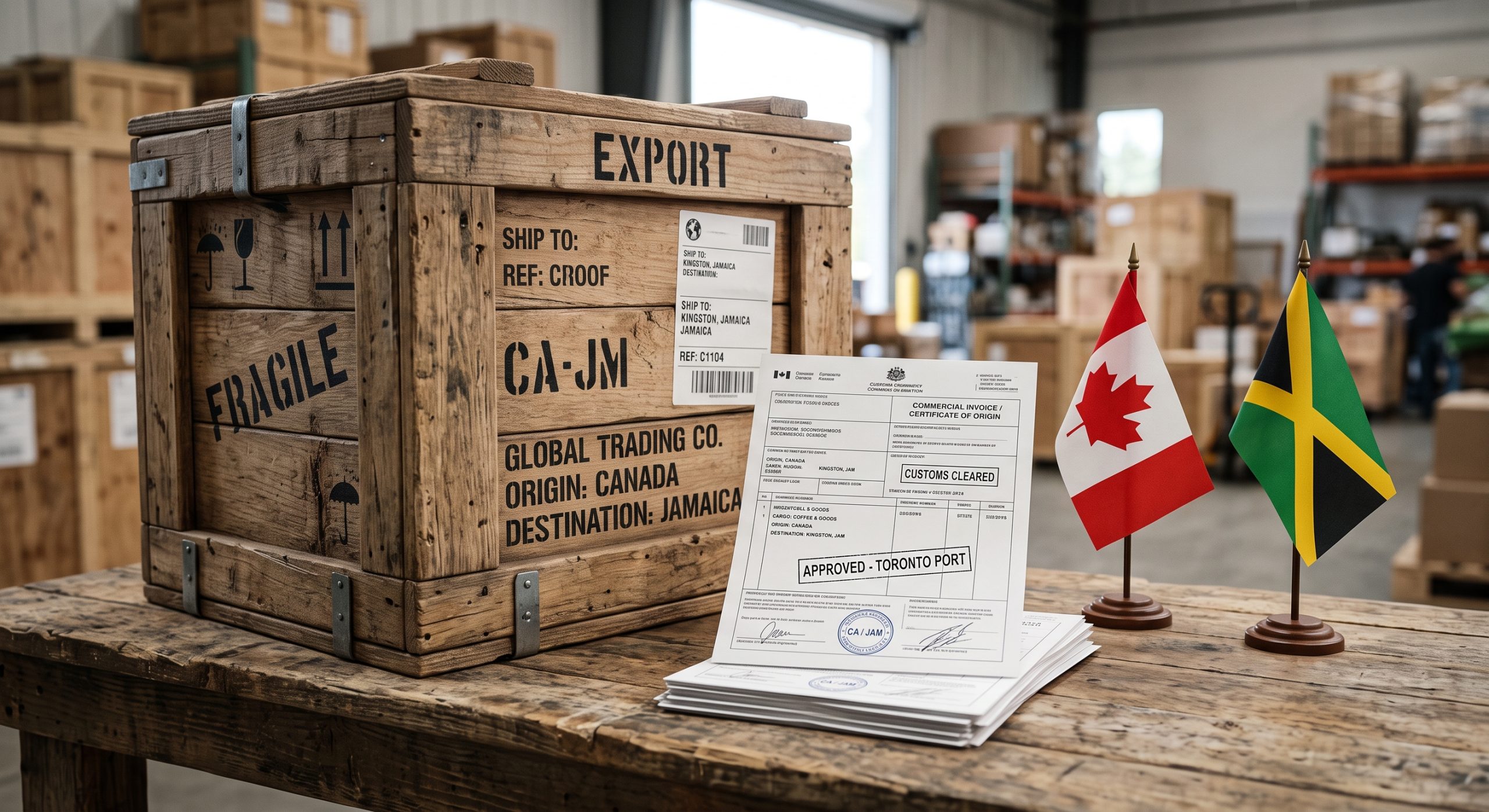
Navigating the Crosscurrents: How New Retaliatory Tariffs Will Impact the Jamaican Diaspora in Canada
Geopolitics at the Kitchen Table
In an interconnected global economy, geopolitical trade disputes rarely stay confined to diplomatic conference rooms or industrial manufacturing corridors. When major trading partners engage in tariff escalations and retaliatory trade countermeasures, the consequences cascade through domestic supply chains, reshaping consumer costs, household savings, and small enterprise viability. For the more than 400,000 Canadians of Jamaican origin, these macroeconomic disruptions carry an immediate, personal dimension. Concentrated in major metropolitan areas such as the Greater Toronto Area, Montreal, Ottawa, Calgary, and Edmonton, the Jamaican diaspora maintains a deeply transnational lifestyle. This community is knit together through cultural traditions, foodways, small businesses, and continuous financial support directed toward loved ones in the Caribbean.
When Canada or its trading partners enact retaliatory tariffs, the resulting commercial friction does not merely affect heavy industry, steel mills, or automotive assemblies. It reverberates directly through the logistical corridors that supply Caribbean grocery shelves in Brampton, determines the operational margins of freight forwarders in Scarborough, and tightens the disposable income that diaspora families rely upon to send remittances back to Kingston, Montego Bay, and rural parishes across Jamaica. Understanding the comprehensive impact of these new retaliatory tariffs requires an examination of the structural channels through which trade policy intersects with the everyday lives of Jamaican Canadians.
The Culinary Supply Chain: Cultural Staples and Food Inflation
The most visible and immediate consequence of new retaliatory trade measures is felt in the neighborhood supermarket. For diaspora communities, food represents far more than daily sustenance; it is a foundational anchor of cultural heritage, communal celebration, and mental well-being. The traditional Jamaican diet relies on specific staples that cannot simply be substituted with conventional Canadian produce:
-
Scotch bonnet peppers, yellow yams, and breadfruit
-
Canned ackee, callaloo, and jerk seasoning marinades
-
Hardo bread, spiced buns, and Jamaican patties
-
Blue Mountain coffee, ginger beer, and tropical fruit concentrates
While some of these agricultural goods are imported directly from Jamaica under existing trade arrangements such as CARIBCAN, modern food supply networks are far more integrated than they appear. A substantial portion of Caribbean foodstuffs sold across Canadian urban centers moves through large distribution hubs and consolidation centers in the United States, particularly through south Florida and New York. When retaliatory tariffs target cross-border commercial transport, agricultural inputs, food packaging materials, or processed specialty imports, the price spikes are instantaneous.
Canadian wholesale distributors must pay elevated customs duties, heightened fuel surcharges, and compliance fees to move these goods across borders. Because specialty Caribbean grocers operate on notoriously narrow margins, these increased overhead expenses are inevitably passed down to retail shoppers. A family already coping with broader inflationary pressures in housing and energy now confronts steep increases for fundamental ingredients. When a jar of seasoning, a tin of ackee, or a bundle of fresh yam doubles in price, the cost of preserving cultural traditions becomes a tangible financial burden for working families.
The Barrel Economy: Cargo Logistics and Transnational Gifting
A central pillar of the Jamaican diaspora experience is the traditional “barrel economy.” For decades, diaspora members have purchased large commercial shipping barrels, packing them with non-perishable groceries, clothing, school supplies, toiletries, and household appliances to ship back to extended families in Jamaica. This practice peaks ahead of the Christmas holidays and the September back-to-school season, acting as a vital social safety net for communities on the island.
Retaliatory tariffs disrupt this traditional lifeline across multiple operational fronts:
Container Costs and Packaging Materials
Tariffs placed on industrial inputs such as industrial plastics, high-density polyethylene, and steel bands directly inflate the manufacturing and purchasing cost of the heavy-duty barrels used by families.
Cross-Border Transport and Surcharges
Freight forwarders based in Ontario and Quebec frequently coordinate their maritime logistics through integrated North American shipping alliances. When retaliatory trade restrictions complicate border clearances or increase tariffs on logistics equipment, freight operators must increase base shipping rates and add administrative surcharges.
Higher Domestic Purchase Prices
Before a barrel is ever sealed, every item placed inside must be purchased at Canadian retail stores. As retaliatory tariffs increase the landed cost of everyday manufactured goods, textiles, and processed canned goods within Canada, packing a complete barrel demands a significantly larger outlay of household cash.
Many families are forced to make difficult compromises: shipping barrels less frequently, reducing the volume of goods sent, or absorbing heavy credit card balances to ensure relatives abroad do not go without critical necessities.
The Remittance Squeeze: Macroeconomic Pressures on Transnational Support
Direct personal remittances sent from Canada to Jamaica constitute an indispensable pillar of the Jamaican macroeconomy. According to the Bank of Jamaica, remittances account for roughly twenty percent of the nation’s total gross domestic product, serving as a primary source of foreign exchange and directly underwriting household survival for millions of residents.
New retaliatory tariffs threaten this financial artery through a painful economic squeeze:
| Economic Channel | Canadian Diaspora Impact | Recipient Impact in Jamaica |
| Domestic Inflation | Reduced household savings and disposable income | Delays in receiving routine monthly allowances |
| Exchange Rate Shifts | Weakened purchasing power of cross-border transfers | Elevated local currency costs for imported goods |
| Financial Fees | Higher compliance costs passed to transfer services | Net transfer amounts diminished after transaction deductions |
When retaliatory tariffs elevate the domestic consumer price index across Canada, diaspora wage earners must reallocate their monthly budgets toward immediate survival necessities, including rent, utilities, and domestic debt servicing. Consequently, discretionary funds allocated for relatives in Jamaica contract.
Concurrently, Jamaica itself relies heavily on imported food, fuel, and manufactured equipment. As global supply chains adjust to retaliatory trade tariffs, the prices of imported consumer goods within Jamaica rise as well. Thus, just as families in Jamaica require larger sums to purchase everyday staples, their relatives in Canada possess less surplus income to dispatch. This dynamic places enormous emotional and financial stress on diaspora breadwinners who feel an acute moral duty to sustain their families overseas.
Diaspora Entrepreneurship and Small Business Vulnerability
The Jamaican community in Canada has built an extensive, vibrant entrepreneurial footprint spanning diverse industries, including culinary arts, specialized retail, transportation, and personal care. These small and medium-sized enterprises represent critical wealth-building vehicles for community members, yet they remain exceptionally vulnerable to macroeconomic trade shocks.
Independent Restaurants and Bakeries
Authentic Jamaican food establishments across cities like Toronto and Montreal depend upon authentic spices, imported roots, specialized flours, and traditional baking ingredients. Unlike national fast-food chains, independent eateries lack bulk purchasing agreements that insulate them against wholesale price shocks. When tariffs inflate the cost of imported inputs or cooking equipment, owners must choose between absorbing the loss or raising menu prices. In a climate where consumers are already cutting back on dining out, raising prices risks losing loyal clientele.
Specialty Retailers and Personal Care
Caribbean cosmetics, specialized hair products, and cultural grooming supplies frequently transit international trade corridors. Tariffs imposed on chemical inputs, packaging, and beauty formulations directly alter inventory costs for small diaspora retailers. Store owners face cash flow constraints as acquiring new seasonal inventory requires higher working capital.
Sectoral Employment and Labor Market Dynamics
Beyond commerce and food, the direct impact of trade policy on the Jamaican diaspora is linked to where community members work. Canadians of Jamaican heritage are prominently represented across several core sectors of the national labor market:
-
Healthcare and Public Administration: A substantial number of diaspora professionals work in nursing, personal care, social services, and municipal government. While these roles are insulated from direct foreign tariff exposure, workers face standard wage pressures as broad inflation erodes the real purchasing power of collective bargaining agreements.
-
Warehousing, Logistics, and Freight: A high concentration of community members works within intermodal freight terminals, commercial warehouses, and long-haul transport networks across Southern Ontario. Retaliatory tariffs frequently disrupt cargo volumes, resulting in shift cancellations, reduced overtime opportunities, and unpredictable work schedules for hourly workers.
-
Construction and Light Manufacturing: Tariffs targeting industrial inputs, steel components, or raw construction materials can delay commercial building projects and depress production schedules, creating employment instability for tradespeople and factory personnel.
Strategic Adaptation and Community Resilience
While the challenges posed by retaliatory trade measures are formidable, the Jamaican diaspora in Canada possesses a long-standing history of institutional adaptation, community organizing, and economic resilience. In response to rising trade barriers, several grassroots and institutional strategies are emerging to cushion the economic impact:
Direct Bilateral Trade Diversification
Importers and business associations are increasingly exploring mechanisms to bypass third-party intermediary hubs. By establishing direct maritime shipping agreements between Caribbean ports and Canadian Atlantic ports like Halifax, businesses can insulate themselves from trade tensions that arise between external third-party nations.
Cooperative Buying Consortia
Small grocers, caterers, and restaurant owners are organizing informal cooperative buying alliances. By pooling capital and purchasing Caribbean imports in full container loads directly from agricultural cooperatives in Jamaica, small enterprises can secure volume discounts that offset tariff-induced price increases.
Diaspora Advocacy and Bilateral Diplomacy
Organizations such as the Jamaican Canadian Association, regional Caribbean-Canadian business chambers, and diplomatic representatives are working to engage municipal and federal policymakers. These advocacy efforts aim to ensure that supply chain exceptions and trade preference programs adequately protect cultural commodities that pose zero competitive threat to domestic Canadian producers.
Conclusion: Weathering the Economic Shifts
Retaliatory trade tariffs illustrate how decisions made in the corridors of international trade negotiations filter down into the intimate fabric of diaspora communities. For the Jamaican diaspora in Canada, these tariffs present real and multifaceted hurdles, elevating the cost of cultural culinary staples, increasing the friction of the barrel shipping economy, compressing the remittances sent to overseas dependents, and challenging small business margins.
Nevertheless, this community has historically demonstrated an enduring capacity to navigate economic shifts through solidarity, entrepreneurial agility, and mutual support. By forging direct commercial relationships, strengthening diaspora business networks, and practicing collective resource management, the Jamaican diaspora in Canada continues to safeguard its cultural vitality and economic progress, maintaining an unbreakable bond between its Canadian home and its Caribbean heritage.







COMMUNITY DISCUSSION 0
Write CommentBe the first to join the conversation!
What are your thoughts on this story? Drop your perspective, commentary, or insider insight below.