 By canadianyardie
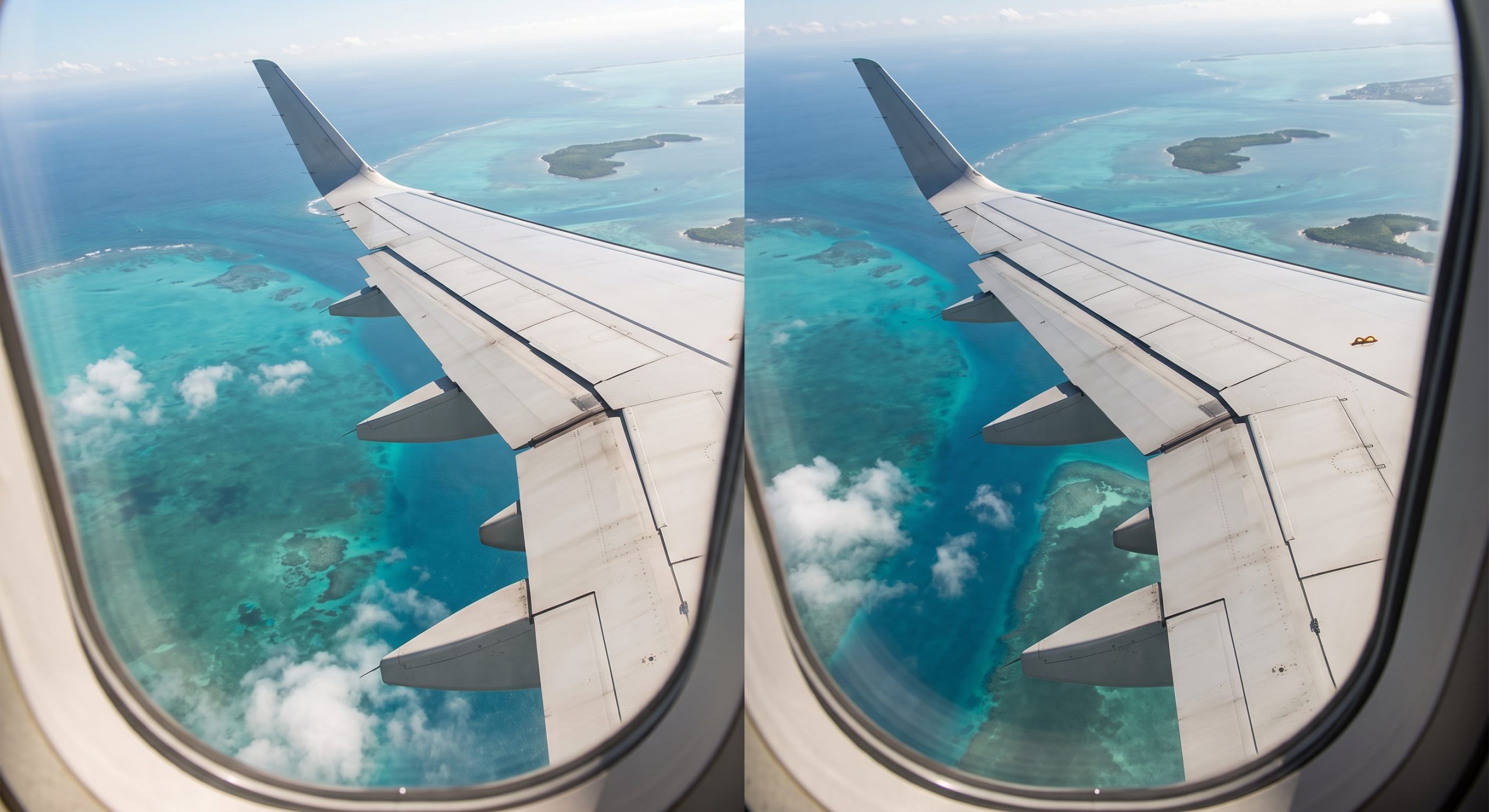
From Airline Strikes to 400,000 Winter Seats: The New Landscape of Caribbean Travel
The travel landscape between Canada and Jamaica is undergoing a massive shift. For many in the diaspora, the concept of a seamless trip back home has felt increasingly out of reach. Recent summer airline strikes left countless travelers stranded, turning relaxing family vacations into logistical nightmares. When a strike hits, passengers are suddenly forced into a frantic scramble to secure extended accommodations, update car rentals, and figure out how to stretch their travel budget for an extra week.
However, the upcoming winter season brings a wave of incredible news for Canadian travelers. The aviation sector is bouncing back aggressively. Jamaica expects to welcome approximately 400,000 airline seats from the Canadian market during the 2026 to 2027 winter season. With long-standing carriers expanding their routes and fresh competitors launching new services, the options for flying south have never been broader. This guide will walk you through the harsh lessons learned from recent flight disruptions, how to navigate the complex world of insurance claims, and the best strategies for booking your upcoming March Break getaway in this new era of Caribbean travel.
The Hard Lessons of Summer Travel Disruptions
Picture this scenario. You are wrapping up a beautiful family trip in Jamaica. You have spent time in Portmore and Negril with your wife, your son, and your daughter. The bags are packed, and everyone is ready to head back to Ontario. Suddenly, the notification drops on your phone. A carrier strike has grounded your flight. You are not just delayed by a few hours. You are stuck for six days.
This exact situation became a stark reality for many Canadian families in August 2026. An unexpected six-day travel disruption requires immediate and decisive action. A relaxing vacation instantly morphs into an emergency management situation. You have to negotiate an extension on your vacation rental, figure out if your car rental company has vehicles available for another week, and manage the daily expenses of feeding a family of four.
The stress is compounded by the sheer uncertainty of the situation. Customer service lines are jammed, airport counters are swarmed, and the information flowing from the airlines is often sparse. Surviving a major disruption requires a deep understanding of passenger rights and a meticulous approach to record keeping.
Understanding Your Rights Under the APPR
When flights are cancelled or heavily delayed, Canadian travelers are protected by the Air Passenger Protection Regulations (APPR). However, the specific rights you have depend entirely on how the disruption is classified.
The APPR categorizes flight disruptions into three distinct buckets. These are situations within the airline’s control, situations within the airline’s control but required for safety, and situations entirely outside the airline’s control. This classification dictates whether you are owed lump sum compensation and what level of care the airline must provide.
Labour disruptions present a unique challenge. Under the APPR guidelines, a labour disruption within an airline or within an essential service provider is officially considered a situation outside the airline’s control. This is a critical detail. Because a strike is outside their control, airlines are not legally obligated to pay you lump sum compensation for the inconvenience of a cancelled flight.
However, the APPR still mandates a basic standard of treatment. If your flight is delayed or cancelled, airlines must keep you informed. They are required to provide notifications every 30 minutes until a new departure time is set or alternative arrangements are made. If a flight disruption is within the carrier’s control, they must provide reasonable food and drink, access to communication, and hotel accommodations for overnight delays.
Airlines often use complex reasoning to deny compensation. For example, the APPR recognizes the “knock-on effect” where a previous flight’s disruption impacts subsequent flights. If your claim is denied, you are legally entitled to an explanation. Passengers have one full year to make a written request for compensation, and the airline must provide the compensation or a detailed explanation within 30 days of receiving your request.
Navigating the Claims Maze for Extended Stays
When a strike leaves you stranded for an extra week, your travel insurance policy becomes your financial lifeline. Filing a successful claim for extended hotel stays and car rentals requires precision.
The first rule of travel insurance claims is to document absolutely everything. If your return flight is cancelled, immediately secure written proof of the cancellation and the stated reason from the airline. This document is the cornerstone of your entire claim.
Next, you must mitigate your expenses. Insurance companies expect you to make reasonable choices. If you are forced to extend a vacation rental in Portmore or a resort stay in Negril, ensure you get formalized and itemized receipts. Hand-written notes or vague email confirmations will often be rejected by claims adjusters.
The same applies to car rentals. If you need to keep your rental vehicle for an additional six days, contact the rental agency immediately to update the contract. Do not simply keep the car and pay the penalty fee later, as insurance providers may refuse to cover unauthorized extension penalties. Keep the updated contract and the final credit card receipt showing the exact breakdown of the extra daily charges.
Baggage issues frequently accompany major flight disruptions. If your luggage is delayed during the chaos of a rebooking, both APPR and international conventions protect you. Airlines must refund the fees you paid to check your bags if they are delayed or lost. Furthermore, a carrier’s liability for lost or damaged baggage is limited to 1,519 Special Drawing Rights, which is approximately $2,800 CAD per passenger. If you need to buy emergency clothing or toiletries while waiting for a delayed bag, keep every single receipt. You can submit these expenses for reimbursement, but claims must typically be submitted no later than 21 days from the date your baggage is finally returned to you.
The 400,000 Seat Winter Tourism Boom
Despite the turbulence of summer travel, the outlook for the winter season is remarkably bright. Jamaica is significantly expanding its air bridge with Canada. Tourism authorities have announced that approximately 400,000 seats will be available from the North American source market for the 2026 to 2027 winter season.
This massive influx of capacity is a direct result of aggressive expansion by major carriers. Airlines including Air Canada, Sunwing, and WestJet are actively increasing their flight frequencies. The additional capacity will provide more direct routes from Canadian gateways to Jamaica’s two major airports.
This expansion is truly national in its scope. The Jamaica Tourist Board is actively working with airline partners across multiple Canadian markets. These key departure cities include Toronto, Montreal, Ottawa, Edmonton, Halifax, Moncton, Saint John, Winnipeg, and Hamilton. By diversifying the departure points, the tourism board is reinforcing the destination’s resilience in a highly competitive global market.
The Jamaica Tourist Board views this expansion as a massive vote of confidence in the island’s tourism product. Under their Tourism 3.0 framework, Jamaica is aiming to attract 600,000 annual visitors from Canada by the year 2030. They are also targeting US$750 million in tourism revenue from the Canadian market alone. Reaching these ambitious targets requires the exact kind of sustained airlift growth that we are seeing this winter.
For the diaspora living in Brampton and the wider Greater Toronto Area, this means unprecedented access to the island. More seats in the sky naturally lead to more competitive pricing, better schedule flexibility, and a lower likelihood of being entirely stranded if one specific flight is cancelled.
New Players on the Tarmac
The most exciting development in this winter capacity boom is the arrival of a new competitor. Porter Airlines is officially launching nonstop service to Montego Bay. This is a game changer for Canadian travelers. By the end of the year, Porter will offer new links specifically from Hamilton, Ottawa, and Toronto Pearson to Montego Bay.
Porter Airlines joins the ranks of Air Canada, Flair Airlines, Air Transat, Caribbean Airlines, and WestJet in serving the Jamaican market this winter. The introduction of a new carrier disrupts the traditional duopoly of the major Canadian airlines. It forces everyone to compete harder for your travel dollars.
For families travelling from Ontario, this expansion means you are no longer restricted to a narrow window of departure times. Flying out of Hamilton, for instance, could save families the massive headache of navigating the often chaotic terminal traffic at Toronto Pearson. It provides a quieter and more streamlined airport experience, which is incredibly valuable when travelling with young children.
Strategic Booking for March Break 2027
With 400,000 seats hitting the market and new airlines entering the fray, planning for March Break 2027 requires a strategic approach. March Break is traditionally one of the most expensive and chaotic times to fly. However, if you leverage the new winter capacity correctly, you can secure an excellent itinerary while bulletproofing your family against unexpected disruptions.
First, book early but read the fine print. With so many seats available, airlines will release their early bird pricing soon. When booking, pay close attention to the fare class. The cheapest basic economy tickets often strip away your ability to make changes without massive penalty fees. Given the unpredictability of modern air travel, paying a slight premium for a flexible fare is a wise investment, especially when coordinating travel for a family of four.
Second, diversify your airport choices. Look beyond Toronto Pearson. Depending on where you live in the Greater Toronto Area, alternative departure points or flying with a newer carrier like Porter Airlines could offer significantly better schedules and less terminal congestion.
Third, lock in your travel insurance at the exact moment you book your flights. Many people make the mistake of buying insurance a week before they leave. If you purchase trip cancellation and interruption insurance on the day you pay for your flights, you are protected against unforeseen events that might occur in the months leading up to March Break. Ensure your policy has robust coverage for travel delays, specifically covering extended hotel and car rental costs in the event of a labour strike or severe weather event.
Finally, have a contingency plan. The hard lesson of the August 2026 strikes is that you must always be prepared for an extended stay. When booking your vacation rental or hotel, ask the host or management about their policies for emergency extensions. Build a small financial buffer into your vacation budget specifically for unexpected out-of-pocket expenses.
Conclusion
The landscape of Caribbean travel is evolving rapidly. While the threat of airline strikes and sudden disruptions remains a stark reality, the industry is responding with unprecedented capacity and new options. The addition of 400,000 winter seats and the arrival of Porter Airlines signal a new era of connectivity between Canada and Jamaica.
By understanding your legal rights under the APPR, mastering the art of insurance claims, and taking a highly strategic approach to booking your upcoming trips, you can navigate this complex environment with confidence. March Break 2027 is on the horizon. With the right preparation, you can ensure that your family’s next journey back home is memorable for all the right reasons.





COMMUNITY DISCUSSION 0
Write CommentBe the first to join the conversation!
What are your thoughts on this story? Drop your perspective, commentary, or insider insight below.