 By canadianyardie
Blue Mountain Legacy: 200 Years of Coffee Harvesting Traditions
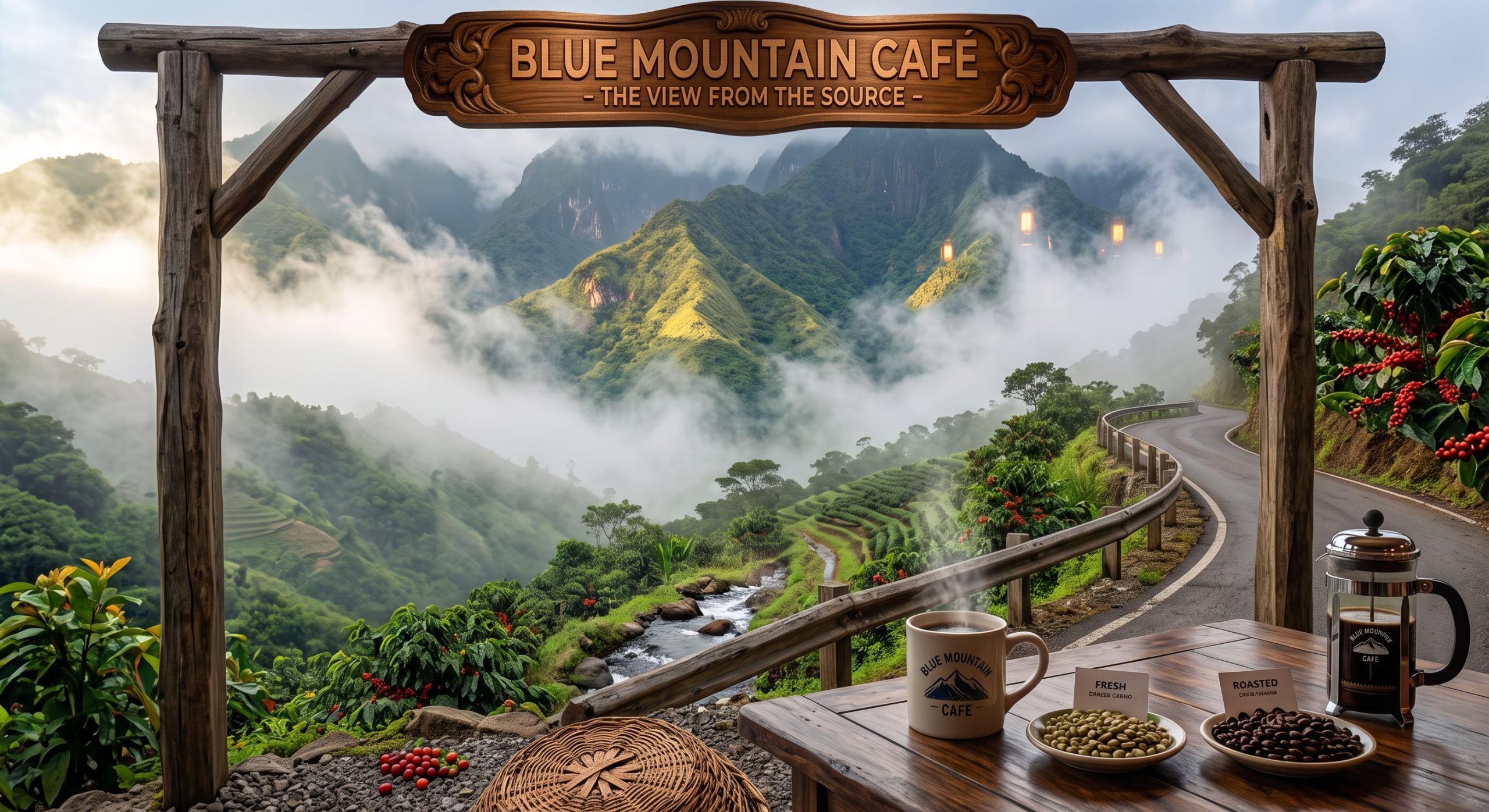
To stand in the Blue Mountains of Jamaica at dawn is to witness a landscape caught perfectly between heaven and earth. High above the warm waters of the Caribbean Sea, the air is remarkably crisp, carrying a biting chill that completely belies the tropical latitude of the island. Shrouded in a perpetual, rolling mist, this rugged terrain is one of the most celebrated agricultural regions in the world. The Blue Mountains are not merely a geographical wonder of soaring peaks and deep valleys; they are the legendary birthplace of a coffee culture that has captivated international connoisseurs for over two centuries. Known globally for its incredibly mild flavor, profound lack of bitterness, and vibrant, floral aroma, Jamaica Blue Mountain coffee remains a rare and highly sought after commodity.
However, the complete story of this exceptional brew goes far beyond a simple flavor profile. It is a complex narrative woven from unique terroir, painstaking manual labor, and a deep-rooted cultural tradition that has survived devastating hurricanes, severe economic shifts, and constantly changing global tastes. Exploring the rich history and the incredibly demanding harvesting practices of this specific region reveals exactly why this coffee commands such deep respect and maintains its unwavering prestige in the modern culinary world.
The Seeds of a Legacy
The remarkable journey of coffee to the island of Jamaica began in the year 1728. Sir Nicholas Lawes, who served as the Governor of Jamaica at the time, received a single coffee plant as a gift from the Governor of Martinique. From this solitary botanical specimen, an entire agricultural industry blossomed with astonishing speed. Initially, coffee cultivation spread rapidly across the lower elevations of the island. By the early decades of the nineteenth century, Jamaica had surprisingly become one of the leading coffee producers on the global stage, exporting thousands of tons annually.
However, an important discovery was soon made by the farmers pushing further into the interior. It became evident that the plants grown in the elevated, unforgiving terrain of the Blue Mountains produced a bean of far superior quality compared to those grown in the flat lowlands. The history of these mountain farms was forever altered by the abolition of slavery in the 1830s. Large plantations were dissolved, and many formerly enslaved individuals moved higher into the mountains to establish small, independent farmsteads. Over the last 200 years, the traditions surrounding these specific mountain plots have solidified into a distinct cultural heritage.
While the broader Jamaican coffee industry faced significant fluctuations throughout the twentieth century, the Blue Mountain region carved out an exclusive niche that fiercely prioritized quality over sheer volume. The smallholder farmers who settled in these steep hillsides passed down their intimate knowledge of the land from generation to generation. They learned how to accurately read the unpredictable mountain weather patterns, how to protect the delicate flowering plants from high winds, and how to identify the exact, fleeting moment a coffee cherry reached absolute perfection. This rich, generational wisdom forms the undisputed foundation of the Blue Mountain legacy.
The Unique Terroir: Earth, Wind, and Mist
To truly understand the exceptional and exclusive nature of this coffee, one must first deeply understand the environment in which it is cultivated. True Jamaica Blue Mountain coffee is strictly regulated by law. It can only be cultivated in specific designated parishes (Saint Andrew, Saint Thomas, Portland, and Saint Mary) and must be grown at high elevations specifically between 3,000 and 5,500 feet above sea level. Any coffee grown between 1,500 and 3,000 feet is classified separately as Jamaica High Mountain, while anything grown below that line is simply known as Jamaica Supreme or Low Mountain.
The physical terroir of this legally designated zone is perfectly calibrated for Arabica Typica, which is the dominant and celebrated coffee varietal grown here. The soil, born from ancient volcanic activity, is remarkably rich in essential nutrients like nitrogen and phosphorus. It provides excellent drainage on the steep slopes while retaining just enough moisture to nourish the deep, anchoring roots of the coffee trees. The climate is equally, if not more, vital to the final product.
The Blue Mountains are almost constantly covered in a thick, cooling mist. This pervasive fog acts as a natural shade system, blocking direct sunlight and dropping the ambient temperature significantly compared to the coastal areas below. As a direct result of this cool, shaded environment, the coffee cherries mature at a drastically slower rate than they would in hotter, lower climates. This prolonged maturation period often takes up to ten full months, allowing the complex sugars, starches, and aromatic compounds within the bean to develop fully and completely. It is precisely this incredibly slow growth cycle that gives the coffee its signature, unparalleled smoothness and its highly prized layered flavor notes of sweet chocolate, roasted nuts, and mild citrus.
The Art of the Harvest
The steep, treacherous slopes of the Blue Mountains make modern, mechanized harvesting absolutely impossible. There is no machinery that can navigate these hillsides. Every single coffee cherry harvested in this region must be picked completely by hand. This highly labor-intensive process requires a level of physical stamina, specific skill, and unwavering dedication that is rarely seen in modern commercial agriculture. Harvesters, many of whom come from families that have intimately worked these exact slopes for decades, must navigate terrifying inclines of up to seventy degrees.
They balance precariously on the wet, slippery mountain soil, often tying themselves to larger trees for stability, while carefully inspecting each individual cluster of fruit. Selective picking is a fundamental hallmark of the Blue Mountain tradition. Unlike strip picking, a cheaper method where all cherries are aggressively stripped from the branch regardless of their ripeness, Blue Mountain harvesters only select the cherries that are perfectly red, glossy, and fully mature. Because cherries on the exact same branch ripen at completely different rates depending on their specific exposure to sunlight, a single tree must be visited multiple times throughout the long harvesting season.
This meticulous, exacting approach ensures that only the absolute best, most flavorful beans make it to the processing stage. However, it also means the harvest is incredibly slow, physically arduous, and consequently very expensive. The primary harvest season typically runs from August to March, a long window that frequently and dangerously overlaps with the intense Caribbean hurricane season. Farmers must remain constantly vigilant, continuously assessing the weather reports and rushing to secure their vulnerable crops when tropical storms threaten to strip the trees bare. The resilience of these farmers is a crucial, though often overlooked, ingredient in every single cup of Blue Mountain coffee.
Processing and the Famous Wooden Barrels
Once the ripe red cherries are successfully harvested, they must be processed almost immediately to prevent any spoilage or unwanted fermentation. The Blue Mountain region predominantly utilizes the washed, or wet, processing method, which is known for producing a very clean and bright cup of coffee. First, the outer skin and the fruity pulp are mechanically removed in a depulping machine. The remaining beans, which are still covered in a sticky, sweet layer called mucilage, are placed into large concrete fermentation tanks.
This careful fermentation process breaks down the sticky mucilage clinging to the protective parchment surrounding the inner bean. After being thoroughly washed in clean mountain spring water, the beans are spread out on large, flat concrete slabs, which are colloquially known as barbeques, to dry naturally in the sun. This slow drying process can take up to ten days depending on the cloud cover. The beans must be raked continuously by hand every few hours to ensure perfectly even drying and to prevent any devastating mold growth.
Following the drying phase, the coffee goes through a mandatory resting period, known as the reposo, where the beans sit in storehouses for up to eight weeks. This allows the internal moisture to equalize and the flavors to stabilize beautifully. Once milled to remove the outer parchment, one of the most distinctive traditions of the entire Blue Mountain legacy takes place. Unlike almost all other coffees in the world, which are exported in standard burlap or jute sacks, true Jamaica Blue Mountain coffee is packed, sealed, and shipped in handmade white wood barrels.
This unique tradition dates back to the early eighteenth-century days of the industry when the coffee was shipped back to England alongside precious cargo like rum and sugar. The barrels used today are made from sustainably sourced Aspen wood, a specific material chosen because it is entirely odorless and does not impart any unwanted, woody flavors to the raw beans. Furthermore, these sturdy barrels protect the expensive coffee from moisture absorption and extreme temperature fluctuations during maritime transit, perfectly preserving the delicate flavor profile that was so carefully cultivated in the mountains.
Strict Certification and Quality Control
The economic and cultural importance of this coffee to the nation of Jamaica cannot be overstated in any way. It is a point of immense national pride and a vital source of agricultural revenue. To rigorously protect this legacy from counterfeits and low-quality imitators, the Jamaican government established the Coffee Industry Board, which later evolved to become part of the Jamaica Agricultural Commodities Regulatory Authority (JACRA). This governing body enforces incredibly strict quality control measures that are unrivaled in the global coffee industry.
Before a single wooden barrel of coffee can be legally exported under the prestigious Blue Mountain name, it must undergo exhaustive testing. JACRA inspectors visually evaluate the size, shape, and uniform color of the unroasted green beans, firmly rejecting any batch that shows insect damage, irregular sizing, or other defects. However, the final and most absolutely crucial step is the official cup tasting.
Master tasters, highly trained professionals with palates calibrated over decades of experience, roast and brew blind samples from every single batch destined for export. They meticulously assess the aroma, the acidity, the body, and the specific flavor notes. If a submitted batch fails to meet the exacting, historical standards of the regulatory board, it is denied certification and cannot be sold as Blue Mountain coffee. This uncompromising, sometimes ruthless commitment to quality ensures that the brand retains its global prestige and fundamentally justifies its premium price tag on the international market.
Global Importance and Modern Challenges
The global demand for authentic Jamaica Blue Mountain coffee has consistently outpaced its very limited annual supply. For several decades, the Japanese market has been the primary and most enthusiastic destination for this prized bean, frequently absorbing up to eighty percent of the entire annual crop. Japanese consumers have long revered the coffee for its exceptionally balanced, mild, and nuanced profile, which pairs perfectly with their refined culinary traditions. However, in recent years, there has been a significant growing interest from specialty markets in North America, Europe, and other parts of Asia, leading to fiercely increased competition for the small agricultural yield.
Despite its enduring global fame and high market value, the industry faces significant modern challenges that threaten its future. Global climate change poses a severe and immediate threat to the fragile, highly specific ecosystem of the Blue Mountains. Changing, unpredictable rainfall patterns, steadily rising ambient temperatures, and more frequent, intense Caribbean hurricanes severely jeopardize the slow maturation process that gives the coffee its unique flavor. A temperature increase of just a few degrees could fundamentally alter the chemical development of the coffee cherries.
Furthermore, an aging farming population presents a critical demographic challenge. The intense physical labor required on the steep slopes, combined with the allure of easier, better paying jobs in urban centers like Kingston, threatens the continuity of the generational knowledge required to maintain these farms. Younger generations are increasingly hesitant to take up the demanding mantle of mountain coffee farming.
To combat these pressing issues, there is a renewed, urgent focus on sustainable farming practices and empowering the next generation of Jamaican farmers. Agricultural initiatives aimed at improving soil health, introducing specific shade trees to regulate microclimates, and ensuring fair, equitable compensation for the individual harvesters are steadily gaining momentum. By deeply investing in both the people and the land itself, the industry hopes to secure the future of this iconic, culturally vital crop.
Conclusion
The enduring legacy of Jamaica Blue Mountain coffee is a profound testament to the delicate harmony that can exist between a totally unique natural environment and incredibly dedicated human craftsmanship. For a span of 200 years, the resilient farmers of these misty, towering peaks have steadfastly upheld traditions that prioritize quality above all other concerns. From the treacherous, hand-picked harvest on impossible slopes to the rigorous, uncompromising cup tasting and the iconic, historical wooden barrels, every single step of the process is infused with a deep, abiding respect for the coffee bean.
When one finally sits down to enjoy a cup of this legendary brew, they are not just tasting a simple morning beverage. They are experiencing the spectacular culmination of centuries of accrued knowledge, the rich, volcanic soil of a beautiful Caribbean island, and the tireless, dedicated labor of local families who have devoted their entire lives to mastering the demanding art of the mountain harvest. As long as the cool mists continue to roll through the verdant valleys of the Blue Mountains, the legacy of this extraordinary coffee will endure, offering a timeless, elegant taste of true Jamaican heritage to the entire world.






COMMUNITY DISCUSSION 0
Write CommentBe the first to join the conversation!
What are your thoughts on this story? Drop your perspective, commentary, or insider insight below.