
Most of us know the drill for Monday, October 26. Mayor at the top of the ballot, councillor in the middle, and then, at the bottom, names many voters barely recognize. School trustee. Some skip it. Some guess.
That sleeper race might be closest to your life. A trustee helps govern the Toronto or Peel public board your child, niece, grandchild or the little one you mind attends, for four years. No child in school? You still vote. If you live here, this is your board too.
What a trustee can actually do
Trustees are elected school board members, and they do not act alone. Under Ontario law, a trustee has no individual authority. Decisions are made collectively, as a board.
Together, that board sets policy, strategic direction and the multi year plan. It approves the annual budget and how resources are allocated. It determines the number, size and location of schools, covering openings, closures, consolidations and the attendance boundaries that can move a child to a school two bus rides away. It hires the board’s top executive, the director of education, titled chief executive officer in English language boards, and holds that leadership to account. Trustees also carry community concerns into board discussions.
What a trustee cannot do
The limits matter as much as the powers. The Province of Ontario, not your local board, develops the curriculum. The Ministry of Education also sets diploma requirements and allocates board funding through its funding model. If a candidate promises to rewrite what every Ontario child learns, or conjure money the province has not sent, press them. That is not the job.
Trustees do not run your child’s school day to day. Principals manage individual schools and handle student discipline at school level. Trustees set the policy frame inside it. Still in their hands: local delivery, where specialized programs sit, special education, and what survives tight budgets.

Why this hits home for Caribbean and Black families
For many Caribbean households in the GTA, school is not an abstract file. It is the suspension letter that felt too harsh. The guidance talk that steered a bright child away from university bound courses. The long wait for special education support.
Board decisions touch all of that. Boards approve discipline and safe school policies, and decide how much weight restorative approaches get, the kind that repair harm and keep a child connected to school instead of pushing them out. Peel District School Board documents speak directly about reducing racial disparities in suspensions, expulsions and exclusions for Black, African and Afro Caribbean students. That work lives at board level.
Trustees also help decide whether culturally responsive programs, Black student success work and community partnerships are real line items with staff, or nice words in an unfunded plan. They also shape special education, school safety and consultation on closures. In Toronto, Brampton and Mississauga, skipping this race hands those calls to whoever else showed up.
Questions worth asking before Monday
Candidates are still answering doors and inboxes. Ask short questions. Listen for specifics. What will you protect first when the budget tightens, and what would you cut? How will you use discipline data, and do you back restorative practices? What will you do about special education waits? How will you measure whether Black students are doing better, and will you report those numbers back? If a closure or boundary change hits our neighbourhood, how will families be consulted before a vote? Finally, the honesty test: name one thing voters ask for that a trustee cannot deliver.
How to vote, city by city
First, know your board. Ontario has four kinds: English public, English Catholic, French public and French Catholic. By default, voters support the English public board. Catholic board voting requires being Roman Catholic and a separate school supporter. French board voting requires French language rights. Your school support decides which trustee race is on your ballot, and Ontario’s voters guide says it cannot be changed at the poll on voting day, so check yours now through MPAC, the Municipal Property Assessment Corporation. Board ward lines also often differ from city lines.
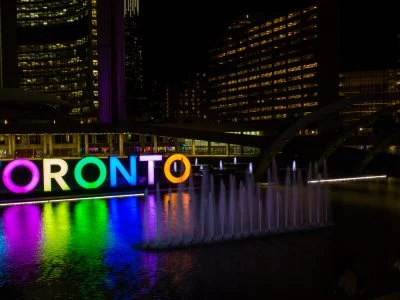
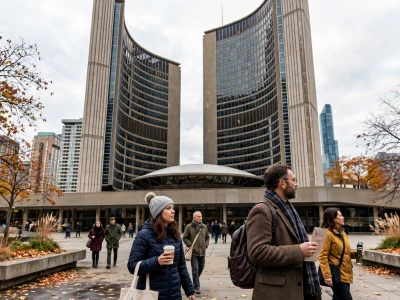
Toronto votes Monday, October 26, from 10 a.m. to 8 p.m. Use the City of Toronto MyVote tool to find your voting place and voter information card. Bring one piece of acceptable identification showing your name and qualifying Toronto address. Photo identification is not required. That card is not identification, but bring it to speed check in.
Brampton votes the same day, from 10 a.m. to 8 p.m., at any voting location within your ward. Find yours with the City of Brampton Where Do I Vote tool. Bring your voter notice if you got one, plus ID showing your name and Brampton address. No notice does not mean no vote.
Mississauga starts earlier: Monday, October 26, from 9 a.m. to 8 p.m., at any voting location within your ward. Check mississaugavotes.ca for locations and candidates. Bring one piece of acceptable identification showing your name and qualifying Mississauga address. A voter notification card speeds check in, but is not required.
One race, four years, decisions that land at the breakfast table, the guidance office and the school gate. Read the bottom of the ballot like it matters.
Sources: Government of Ontario, Responsibility for publicly funded elementary and secondary education, and the 2026 Voters Guide (Ontario.ca); Ontario Public School Boards Association and Ontario trustee Good Governance guidance; City of Toronto Elections; City of Brampton Where Do I Vote; City of Mississauga and Mississauga Votes. Checked October 2026. Desk research. No candidate is endorsed or quoted.
Get the next ranking first. Join the Yardie Dispatch.

Be the first to comment. Start the conversation!