
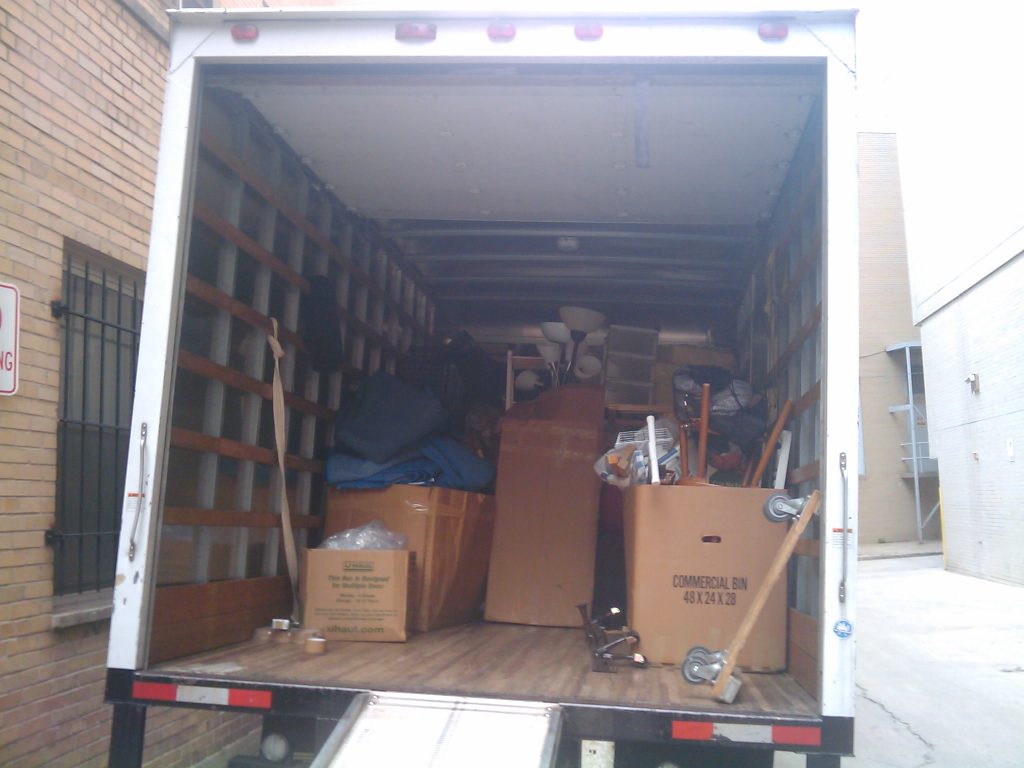
The boxes tell the truth before the listing does. Once the kitchen is in cardboard, the question stops being whether the GTA is expensive. The real question is what happens when the patty shop, the barber, the church and the auntie network are no longer nearby.
The numbers behind the move
Statistics Canada figures for July 2024 to June 2025 show Ontario losing 17,779 more people to other provinces than it gained, while Alberta gained 28,138 on a net basis, including a net 12,500 from Ontario. Toronto recorded a net loss of 12,698 people interprovincially and 64,794 intraprovincially in 2024/25. Edmonton, at plus 11,742, and Calgary, at plus 11,195, led on interprovincial gains.
Money explains a lot of it. CMHC put the average turnover rent for a two bedroom purpose built apartment in October 2025 at $2,547 in Toronto, $1,836 in Calgary, $1,600 in Edmonton and $2,058 in Halifax. Royal LePage put the aggregate home price at the end of 2025 at $1,084,300 in the GTA, $681,700 in Calgary, $466,800 in Edmonton and $511,700 in Halifax. Halifax is the warning there. Buying can look far cheaper while rent stays close to Toronto, so run both numbers.
Plenty of moves stay in Ontario. Environics Analytics estimates reported in 2025 put Simcoe County first for households leaving the GTA, with Hamilton, Calgary, Waterloo and Niagara also near the top. Many are chasing a driveway, a second bedroom, or help for parents, not a new province.
What you gain, and what goes quiet
What you gain is real. Space to spread out. Fewer bidding wars. A chance to own sooner, save faster, or give children a yard and a quieter street. For many Caribbean families in Canada, a house was never just a house. It was proof that the migration sacrifice meant something.
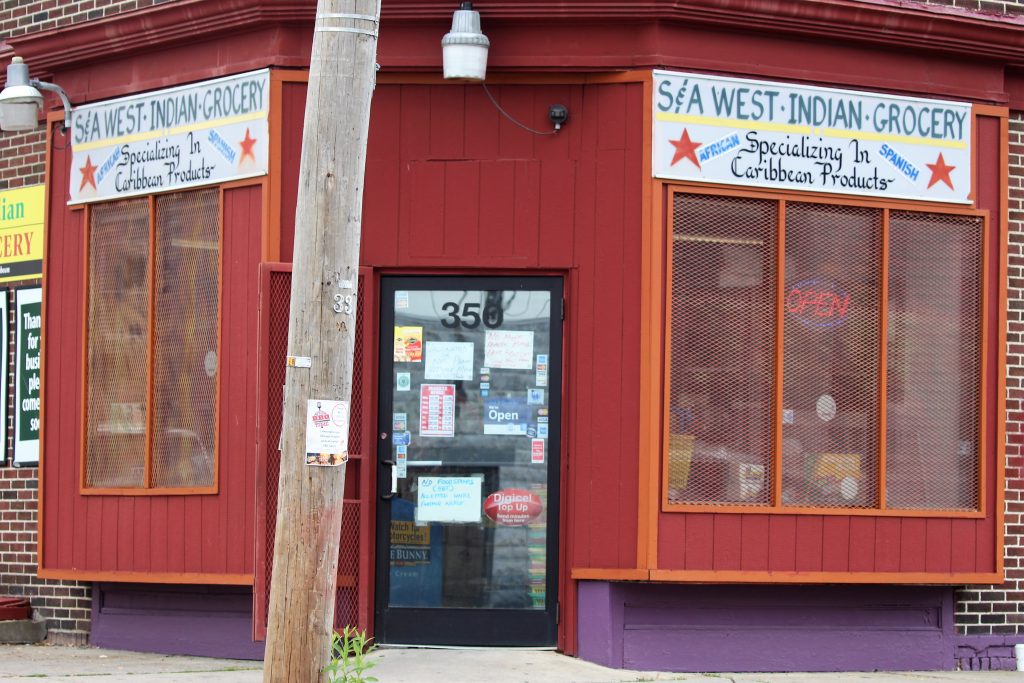
What goes quiet is real too. In the GTA, culture is infrastructure. It is the grocery that stocks what your grandmother cooked with, the barber who knows the cut, the braider you can call, the faith community that notices when you miss two Sundays, and the friend who can reach your door quickly. None of that shows up in a rent comparison.
In a smaller centre or a new province, that infrastructure may exist, but thinner. One Caribbean grocery instead of a strip of them. A barber or braider an hour away, booked weeks out. A faith community that is warm but small, or one where you are building the Caribbean presence rather than walking into it. Food becomes planning: stock up, freeze well, order ahead, and budget for trips to a bigger city. Music changes too. The fete and Caribana weekend become travel plans, not a TTC ride home.
Rebuilding is work, and it has a cost
Rebuilding does not happen by accident. It takes introductions, volunteering, showing up twice when the first visit felt unfamiliar, and being the person who starts the group chat or hosts the cookout. Smaller communities can be tight and generous once you are inside them, but getting inside takes time. Digital ties help. Calls, voice notes and livestreamed services keep the thread alive. They do not replace someone nearby for childcare, a ride, a hospital visit or a bad week.
Price the return trips honestly. Flights or long drives to the GTA, time off work, and events you will not want to miss can eat a chunk of the housing savings. So can setup costs, winter gear, a car you did not need before, and shipping things you cannot find locally. The move can still be worth it. Just do the full math, culture included.
Before you sign anything
Use this pre move culture and support checklist. One, food: find the Caribbean grocery or delivery option and price your staples. Two, hair: identify a barber, braider or salon and check wait times. Three, faith and community: locate a congregation, Caribbean association or newcomer service and visit. Four, support: name two people nearby you could call in an emergency, or admit you do not have them yet. Five, health and family: check health coverage timing, doctors, schools and childcare. Six, work: confirm the job and the commute in bad weather. Seven, return route: price the trip back to the GTA at peak time.
Then do a trial stay. Rent a short stay for at least a week, ideally in the hardest season, and live an ordinary schedule. Do the grocery run, ride the commute, go out on a weeknight, and listen to how quiet it feels. Ask if you love the place, or only love leaving your current rent.
Leaving the GTA does not have to mean leaving the culture. It does mean you may have to carry more of it yourself, and build what Toronto gave you by default. If the numbers work and the support plan is honest, go with your eyes open. Home can be rebuilt. Just do not pretend it rebuilds itself.
Sources: Statistics Canada migration estimates, July 2024 to June 2025, as published in the Government of Alberta Annual Population Report 2024-25 and as analysed at city level by StrategyCorp for 2024/25; CMHC 2025 Rental Market Report, October 2025 turnover rents; Royal LePage house price survey, fourth quarter 2025 aggregate prices; and Environics Analytics GTA estimates reported by CTV News Toronto in 2025, all checked October 2026. This article is desk research. The data cited are general population data, not Caribbean specific counts, unless a source says otherwise, and no Caribbean specific migration count was verified. No mover or family is invented or quoted.



Get the next guide first. Join the Yardie Dispatch.





Be the first to comment. Start the conversation!