
This month, Toronto’s Caribbean community has been having an argument online, and it is the fun kind. A post from 6ixBuzz put the question plainly: which side of Toronto represents Caribbean culture the most, Scarborough or the West End? On one side of the photo was Island Spice in Scarborough at dusk. On the other was Rap’s Chicken in the West End at night, smoke coming off the grill. The comments did the rest. People picked sides fast, friends tagged friends, and the memes followed.
West End people pointed to Little Jamaica on Eglinton West, to history, to institutions that have been there for decades. Scarborough people pointed to range: Guyanese and Trinidadian food alongside Jamaican spots, plazas full of Caribbean life from one end of the east side to the other. Both sides made a good case. That is the point this piece wants to make. The argument has no wrong answer, because the two sides did not build the same thing. They built two halves of one culture, and Toronto is better for having both.
The argument, in one paragraph
The debate itself is worth naming, because it says something about where the culture sits right now. A city only argues about which side is more Caribbean when Caribbean culture is big enough to live in more than one place. The online version stayed mostly good natured, the way these debates do when everybody involved actually loves the thing being argued about. Nobody was saying the other side has nothing. They were saying their side has more, or older, or wider, or better. That is pride talking, not disrespect, and pride is a fine reason to write about a city.
So instead of picking a winner, here is what each side actually built, and why the honest answer to the question is both.
What the West End built
The West End’s case starts with time. Eglinton West, known for decades as Little Jamaica, is where Toronto’s Caribbean community put down its first big city roots. Jamaican immigrants settled along the strip, and the businesses followed: jerk spots, barbershops, record shops, groceries, churches, and gathering places that became landmarks in their own right. When visitors ask where to find Toronto’s Caribbean history, this is where they get sent, and for good reason.
The West End is also where the culture learned to be visible. Little Jamaica was not a themed attraction. It was a working neighbourhood where Caribbean life happened in public, on the sidewalk, in the shop windows, in the music coming out of doorways. That visibility mattered. It told a generation of Caribbean kids growing up in Toronto that their culture had an address, and it told the rest of the city that Caribbean Toronto was not a visitor. It was a neighbour.
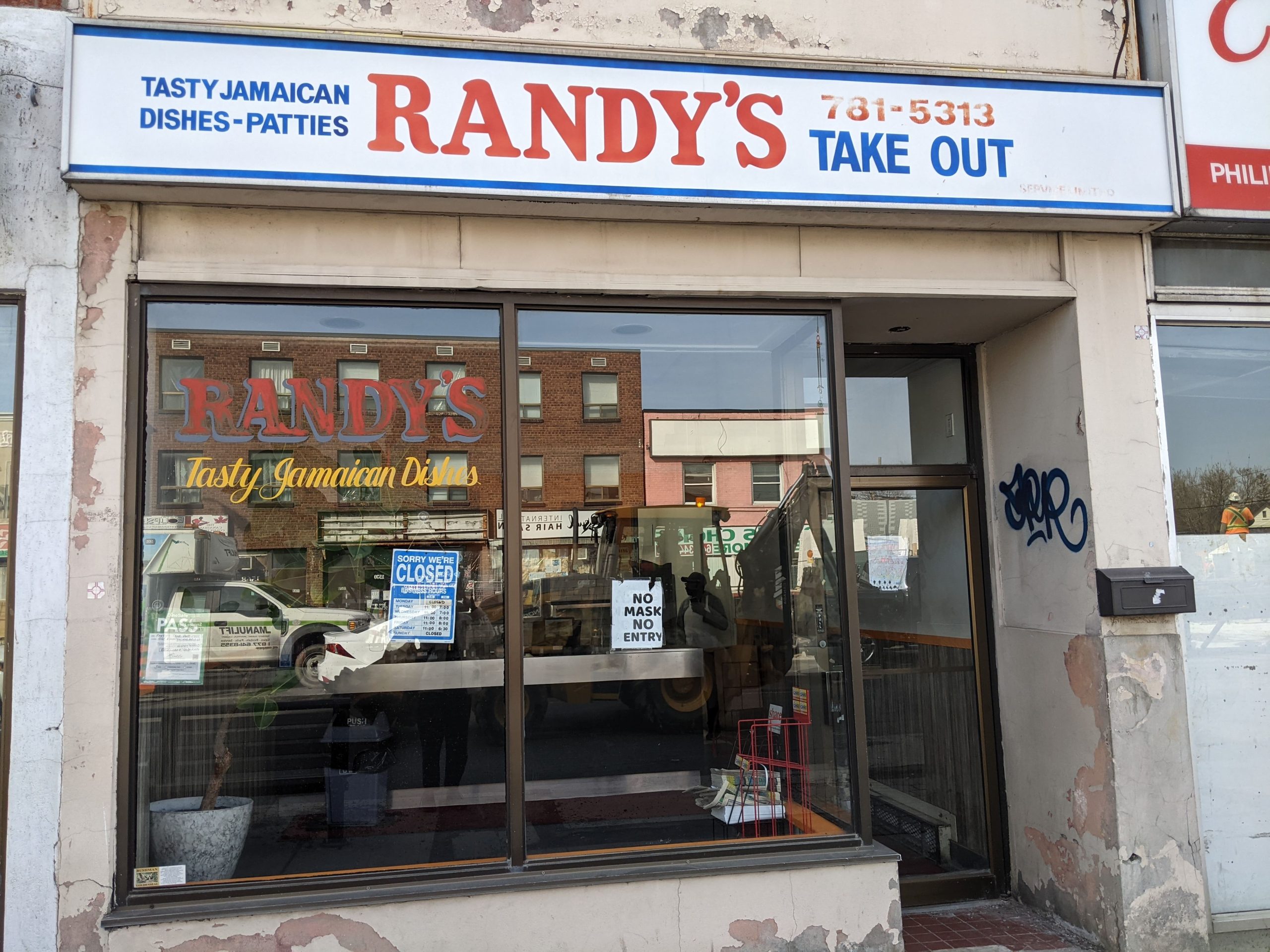
Rap’s Chicken, the West End storefront in the viral photo, stands in for that whole story. A grill going at night, people standing outside, the smell doing half the advertising. That is not a new idea in the West End. It is a tradition.
What Scarborough built
Scarborough’s case starts with range. Drive the east side and the Caribbean map gets wider. Jamaican spots are everywhere, and so are Guyanese and Trinidadian kitchens, roti shops, doubles stands, bakeries, and groceries carrying ingredients from more islands than one strip could ever hold. That breadth is exactly what the Scarborough side of the argument kept coming back to: not one island’s food, but a whole region’s, spread across plazas and strip malls.
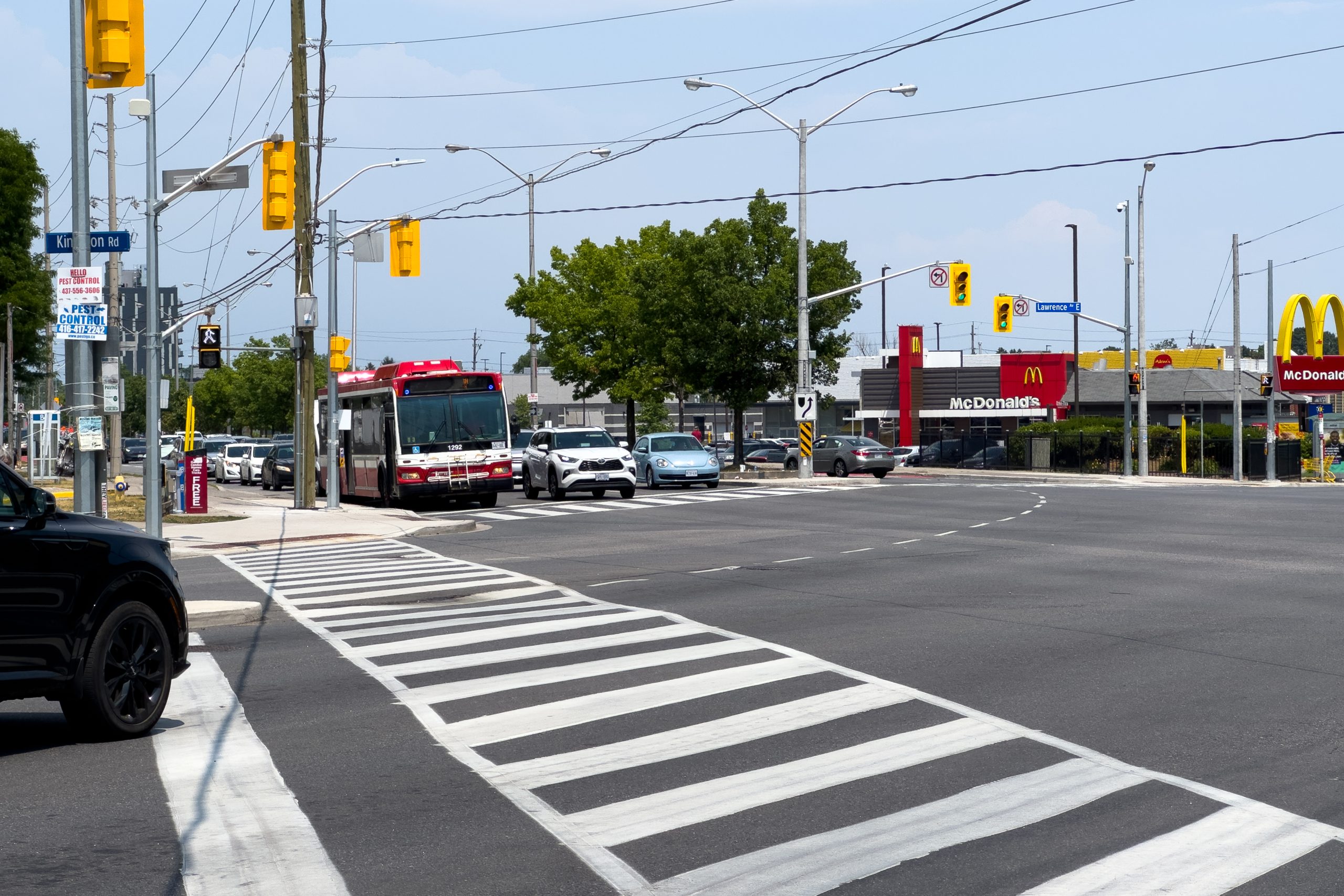
Scarborough’s Caribbean story is also a family story. The east side is where a lot of Caribbean families landed, stayed, and raised kids who now run the shops their parents opened. Schools, churches, cricket on weekends, and plazas where you can eat three islands in one afternoon without moving your car very far. Island Spice, the Scarborough storefront in the viral photo, stands in for that energy: a neighbourhood restaurant doing its thing at dusk, cars outside, regulars inside.
If the West End gave Toronto’s Caribbean culture its history, Scarborough gave it its width. A culture that only had one street would be a postcard. A culture with a whole side of the city is a home.
Why there is no winner
Here is the part the debate format cannot show. The two sides are not separate worlds. They are connected by the same people. A cook who learned the trade on Eglinton opens a spot in Scarborough. A Scarborough DJ plays a West End party. A family lives in the east end and drives west for a specific bakery, then stops in the east end on the way home for doubles. The culture moves across the city the way Torontonians do, which is to say constantly, and usually hungry.
That is why a winner would be a strange thing to declare. You could argue about which side has the older roots, and the West End would win that one. You could argue about which side has the wider range of islands on offer, and Scarborough would have the stronger case. Both of those things can be true at once, because they are different questions. The debate treats them as one question, and that is the only flaw in it.
Toronto’s Caribbean culture does not need a single capital. It needs both addresses, and it has them.
Do both in one weekend
The practical answer to the debate is the best one: do both sides, in one weekend, and let your appetite decide what you liked most.
Spend a Saturday on the West End. Walk Eglinton West, eat at a jerk spot, browse a grocery or record shop, and take in a strip that earned its name over decades. Spend a Sunday in Scarborough. Do a plaza crawl, get doubles and roti, pick up a bakery box to take home, and notice how many islands fit into one afternoon. Go with people who will argue about which day was better, because that argument is half the fun, and it is the same argument the whole city has been having online.
You will come back with a full stomach and a different answer than the one you started with. Most people do.
So pick a side in the comments if you want to. Have fun with it. Then go eat on both sides. Toronto’s Caribbean culture belongs to Scarborough and the West End alike, and the debate itself is proof of how much of it there is to love.
Sources: the Scarborough versus West End debate on 6ixBuzz, Instagram, October 2026, including the Island Spice and Rap’s Chicken photo post and the follow-up video comparing the two sides; general background on Little Jamaica on Eglinton West and Caribbean settlement across Toronto.
For more, see the site’s patty ranking, the jerk guide, and the community directory.
Questions readers ask
Is Little Jamaica in Scarborough or the West End?
Little Jamaica is on Eglinton Avenue West, in the West End, from Allen Road to Keele Street. It is where Toronto’s Caribbean community put down its first big city roots.
Which side has more Caribbean restaurants?
Neither side wins outright. The West End has the oldest roots and the history, while Scarborough has the wider range of islands, with Guyanese and Trinidadian kitchens alongside Jamaican spots.
What is Reggae Lane?
Reggae Lane is the laneway behind the storefronts on the south side of Eglinton West, officially named in 2014 for the area’s reggae heritage in the 1970s and 1980s.
Related: Sunday Reminisce: Dandy Shandy and the Street Games That Raised Us



Get the next guide first. Join the Yardie Dispatch.



Be the first to comment. Start the conversation!