
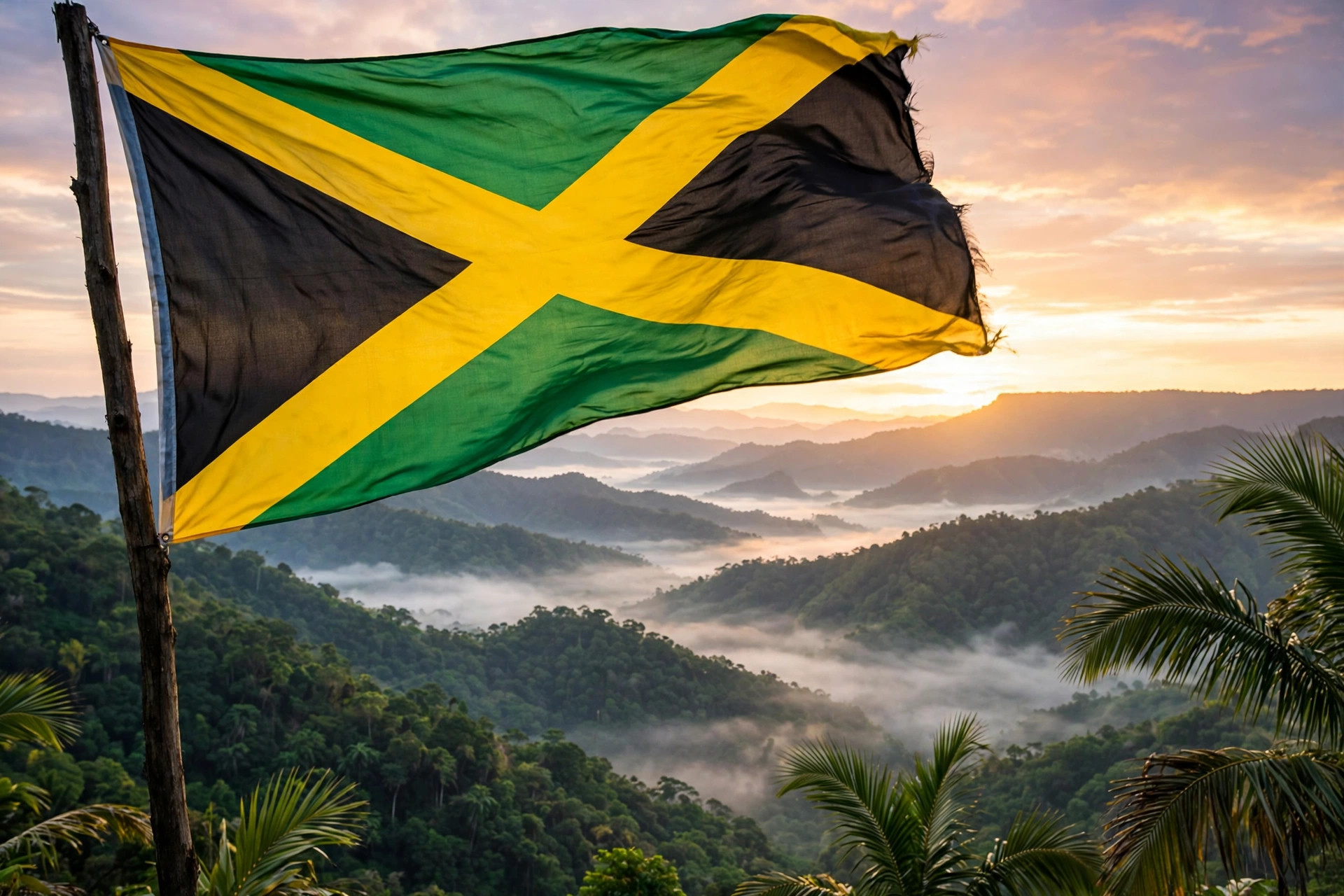
Monday, October 19 was National Heroes Day in Jamaica, and if you blinked in the GTA you could have missed it. No parade rolled down Eglinton West. No school closed here. Life in Toronto carried on while back home the island paused for the seven people who helped make Jamaica, Jamaica.
That gap is what this piece is for. National Heroes Day is not just a long weekend or a graphic to repost. It is a roll call every Jamaican Canadian should be able to answer.
A day set aside, on purpose
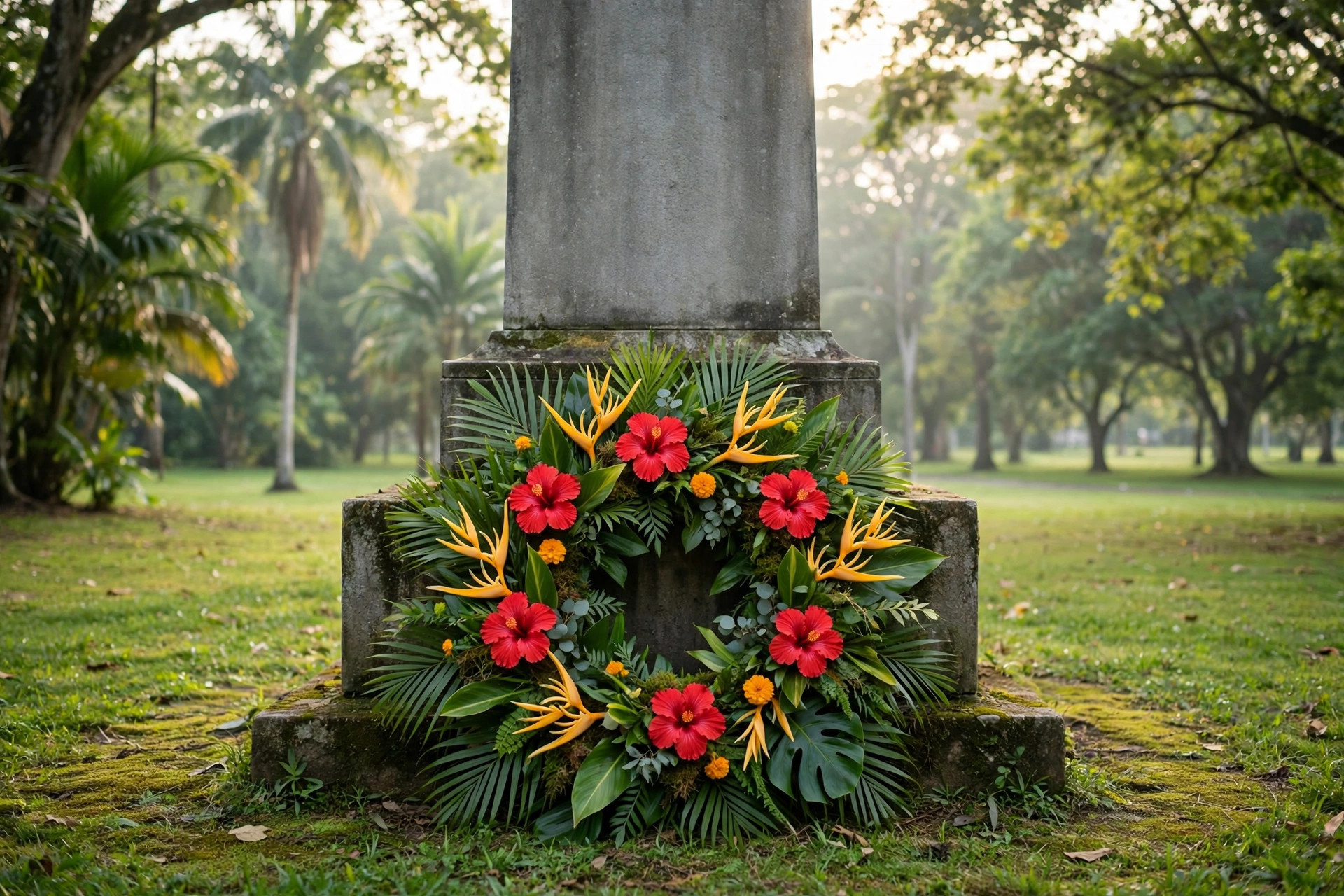
National Heroes Day falls on the third Monday in October and is a public holiday in Jamaica. In 2026 that was Monday, October 19. The day opens with a salute and wreath laying at National Heroes Park in Kingston, where the Governor General presents the National Honours and Awards at King’s House and parishes hold flag raising and civic ceremonies. Banks, offices and schools close, and families use the long weekend to travel, cook, worship and tell the stories out loud.
The Order of National Hero is Jamaica’s highest honour. Only seven people hold it, and that scarcity is the point: together, their lives tell how an enslaved colony became a free nation.
The seven, in plain language
Nanny of the Maroons is the only woman on the list and the earliest hero in time. In the early 1700s she led the Windward Maroons in the Blue Mountains against British forces, building free communities out of people who refused to stay enslaved. She was a military strategist and spiritual leader, still honoured in Moore Town, Portland.
Samuel Sharpe, known as Sam Sharpe, was an enslaved Baptist deacon who led the Christmas Rebellion of 1831 to 1832, also called the Baptist War. He planned a peaceful strike for wages that became a full uprising. Executed in 1832, he helped push Britain toward ending slavery.
Paul Bogle was a Baptist deacon and small landowner in St. Thomas who led the Morant Bay Rebellion in 1865. Poor Black Jamaicans faced unfair courts, high taxes and land laws that kept them down. Bogle marched to demand justice and was executed after the rebellion was crushed.
George William Gordon was a wealthy mixed race businessman and politician who spoke up for the poor in the Jamaican Assembly. He supported Bogle’s cause and was executed for his alleged role in the rebellion, a killing that shocked many in Britain.
Marcus Garvey, born in St. Ann’s Bay in 1887, is Jamaica’s first National Hero and its most global one. He founded the Universal Negro Improvement Association, urging Black people everywhere to be proud and to build their own businesses, ships and newspapers. His ideas still echo in Black pride movements today.
Norman Manley was a brilliant lawyer who founded the People’s National Party in 1938 and championed universal adult suffrage, labour rights and self government. He became Jamaica’s first premier in 1959 and led the island toward independence, despite losing the West Indies Federation argument.
Sir Alexander Bustamante was a labour leader who founded the Jamaica Labour Party, fought for workers’ wages and conditions, and became Jamaica’s first prime minister at independence on August 6, 1962. He and Manley were cousins and rivals, honoured together on the same day.
Why the list still argues with itself
That is what makes the list honest. These seven did not agree with each other. Garvey dreamed of a global Black nation while Manley and Bustamante fought over the shape of a Jamaican one. Manley wanted Jamaica to stay in the West Indies Federation. Bustamante campaigned against it, and in 1961 Jamaicans voted no. Sharpe and Bogle paid with their lives for rebellions that failed in the moment and changed history anyway. Nanny fought the British from the mountains while, a century later, Gordon tried to change the system from inside its own Assembly.
A list that only celebrated agreement would be propaganda. Jamaica’s list celebrates a shared direction instead: freedom, dignity, labour rights, self government and Black pride.
What it means from the GTA
From Toronto, the day can feel far away. Nobody here gets the holiday. But the names travel with us, and that is the diaspora’s job now: mark it at home, out loud, with the children listening.
Say the seven names at the table. Tell one story properly instead of seven badly. Nanny in the mountains is a good place to start with younger children, because it is a story about refusing to accept the life someone else planned for you. Garvey is a good place to start with teenagers, because his question still lands: what does it mean to be proud of who you are in a country that does not always see you?
How to mark it, late or next year
It is not too late to mark the day. Learn the seven names and one fact about each. Read a short hero profile from the Jamaica Information Service or the National Library of Jamaica with your children.
And keep the standard high for the graphics we share. A hero’s face is not a decoration. If a poster carries a party logo, say so when you share it, and remember the heroes belong to all Jamaicans, not to any party. The day is bigger than the design.
We missed marking it on the day here at CanadianYardie. That is on us, and this piece is the correction. The heroes did not wait for a convenient moment. Neither should we.
Sources: Desk research checked October 2026, from Jamaica Information Service hero profiles, public holiday listings and National Heroes Day guides. No interviewee is quoted and no unverified GTA event is claimed.
Questions, answered
Who are Jamaica’s seven National Heroes?
The seven holders of the Order of National Hero, Jamaica’s highest honour: Nanny of the Maroons, Samuel Sharpe, Paul Bogle, George William Gordon, Marcus Garvey, Norman Manley, and Sir Alexander Bustamante.
When is National Heroes Day?
It falls on the third Monday in October and is a public holiday in Jamaica. In 2026 that was Monday, October 19.
What happens on National Heroes Day?
The day opens with a salute and wreath laying at National Heroes Park in Kingston. The Governor General presents the National Honours and Awards at King’s House, and parishes hold flag raising and civic ceremonies. Banks, offices and schools close, and families use the long weekend to travel, cook, worship and tell the stories out loud.
For a recent Toronto example of community service being honoured in the present day, see After the Gala: Who the Jamaican Diaspora Impact Awards Actually Honoured.
Get the next ranking first. Join the Yardie Dispatch.

Be the first to comment. Start the conversation!