
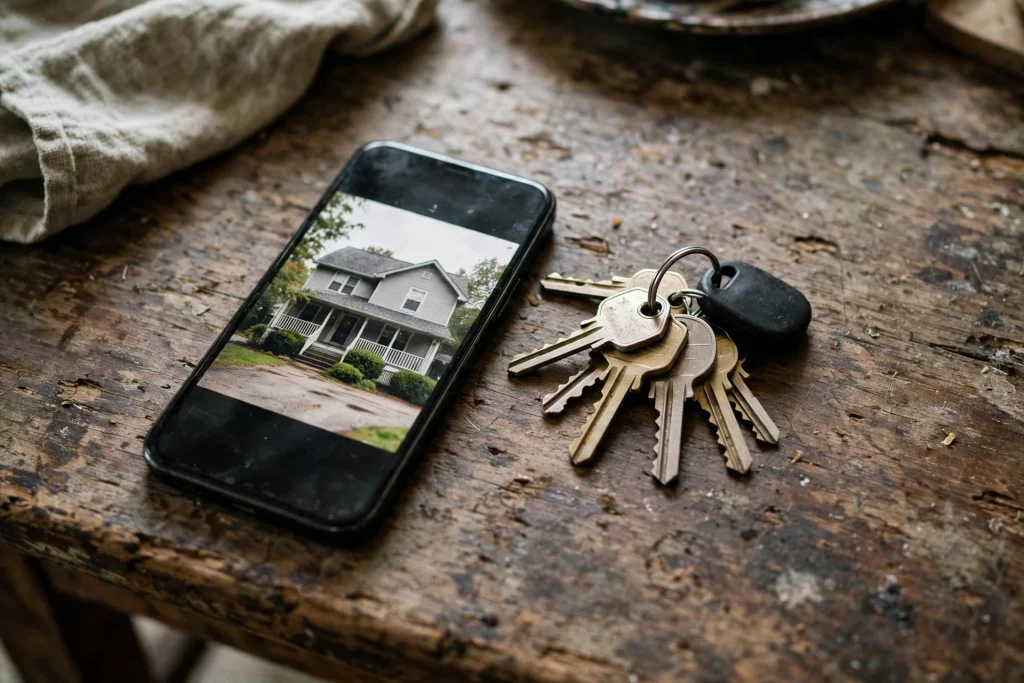
Ask around any Caribbean kitchen table in Brampton, Scarborough or Mississauga and somebody will pull out their phone. Swipe past the grandkids and there it is. A gate. A veranda. A roof that took six years. A house back home, built block by block from Canada, waiting for a return that keeps getting one more year added to it.
Nobody built that house by accident. It holds the whole plan: work hard in the cold, send money, build, retire, go home. Which is why the hardest question in the diaspora right now is not how to build it. It is what happens when life in Canada refuses to let the plan finish.
The Build Never Really Stops
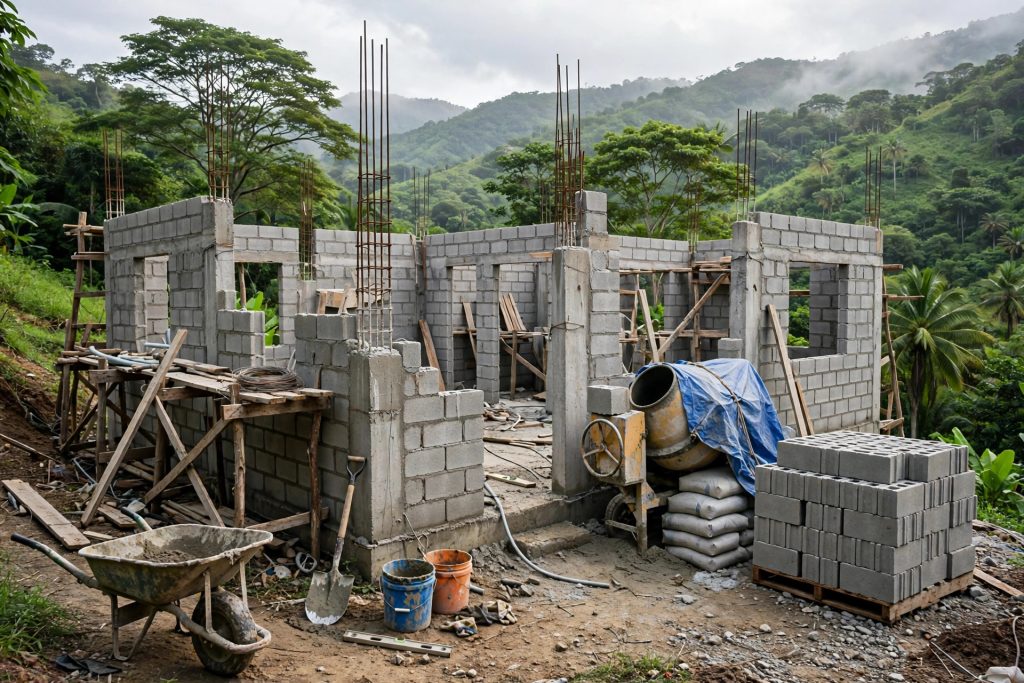
Most of these houses were never bought the Canadian way, with a mortgage, a closing date and a key handover. They were built in stages, as money allowed. Land first, often family land or a lot bought young. Then foundation one year, block work the next, roof when a bonus, a tax refund or a good run of overtime landed.
Every stage ran on trust and on WhatsApp. A brother, a cousin or a childhood friend supervised the work. Photos came north as receipts. Cement, steel and labour got paid for from a kitchen table in Ontario, sometimes for a decade or more.
And the risks were real the whole time. Returning resident guides in Jamaica warn about the same list again and again: cost overruns, delays, contractor problems and the fact that you cannot oversee a build properly from another country.
Why Return Keeps Moving
Here is the part nobody put in the original plan. Canada built a life too.
The grandkids are here, in school here, and no grandparent telling the truth wants to be a voice note to them. The doctor who knows your blood pressure, your surgery, your whole file is here. Your pension, your benefits, your church, your domino partners, your grave plot debate at the family meeting: all here.
Meanwhile home changed while you were gone. Prices climbed. The quiet road got busy. The health care question got bigger, not smaller, and diaspora conversations about returning now put the same three things at the top of the list every time: security, health care and cost of living. None of that makes the dream foolish. It makes it unfinished business.
So the return becomes a season. Christmas at the house. A long summer at the house. Three months this year, God willing. The house gets lived in just enough to need repairs, and the family in Canada keeps paying for a home they visit like guests.
Who Is Holding The Keys
A locked house does not stay neutral. Somebody holds those keys, cuts the yard, watches for leaks after rain, and answers the neighbours questions about when the owners are coming back for good.
That job usually lands on family back home, paid in gratitude, in favours, sometimes in cash, rarely with anything written down. When it works, it is beautiful. When it strains, it strains the whole family, because the person paying from Canada and the person sweating on the ground are both sure they are the one carrying the house.
Then the next generation walks in. The Canadian raised kids did not draw this plan. Some of them love the house and go every year. Some have been twice and feel like visitors with a famous last name. All of them will one day sit with the same questions: keep it, rent it, finish it, sell it, and whose name is actually on the title.
Before You Build, Or Keep Building
Practical things, because vibes do not protect a house:
- Check the title before another dollar moves. Use a licensed attorney in that country to run a title search and confirm the land is free of claims. Do not rely on family memory for a legal fact.
- Put the caretaker arrangement in writing. Who watches the house, what they get paid, what they can and cannot approve. Love your family enough to spare them the argument later.
- Get written contracts and stage payments for any build. Never pay the full amount up front. Returning resident advice is consistent on this one.
- Budget for an empty house, not just a build. Insurance, including hurricane and flood cover where it applies, plus tax, repairs, yard care and travel. An unvisited house still sends bills.
- Make a will that covers both countries. A Canadian will alone may not settle Caribbean property the way your family assumes. Get legal advice on both sides.
- Test the return before you declare it. Stay three months, off holiday mode. Do the clinic run, the grocery run, the bill paying run. Then decide with your eyes open.
- Talk to your kids now. Not at the funeral, not in a crisis. Now, at the kitchen table, with the phone photos open.
The house back home is not a failed dream. For a lot of us it is the most honest building in the family: half retirement plan, half proof of sacrifice, standing in the sun while the people who paid for it shovel snow. The least we can do is plan for it as honestly as we built it.
Sources: Desk research, October 2026. Jamaica Homes returning resident guidance on title searches, written contracts, contractor risk and insurance. Return priorities (security, health care, cost of living) from 2026 Jamaica diaspora conference coverage. No family is named and no house location is identified. Costs vary by country and parish, so no single figure is quoted. Verify legal and tax rules for your country before acting.


Get the next guide first. Join the Yardie Dispatch.




Be the first to comment. Start the conversation!