
For 33 years, the Caribbean voted together on Cuba. On Wednesday, October 28, that ended. The United Nations General Assembly voted 130 to 17, with 25 abstentions, to call for an end to the United States economic, commercial and financial embargo against Cuba. The resolution passed, as it has every year since 1992. But the Caribbean split in a way it never had before, and the split is the story.
Trinidad and Tobago voted against the resolution, alongside the United States and Israel. It was the first time any CARICOM state had ever voted no. Jamaica, Guyana and Haiti abstained. Antigua and Barbuda, Dominica and Saint Lucia did not vote at all. Seven Caribbean states voted yes: the Bahamas, Belize, Barbados, Grenada, St. Vincent and the Grenadines, St. Kitts and Nevis, and Suriname. In 2025, every CARICOM member had voted yes. This year, the bloc broke into four pieces.
The numbers tell the wider story. Last year the resolution passed 165 to 7, with 12 abstentions. This year it passed 130 to 17, with 25 abstentions, and 21 members did not vote. That is the weakest backing for the resolution in two decades. Ten countries joined the United States, Israel, Argentina, Paraguay, Hungary, North Macedonia and Ukraine in voting no. Colombia, Slovenia and the United Arab Emirates switched from yes to no. Bosnia and Herzegovina, Costa Rica, Czechia, Ecuador, Lithuania and Morocco went from abstaining to voting against. Seventeen countries that backed the resolution last year abstained, and another 16 did not vote at all.
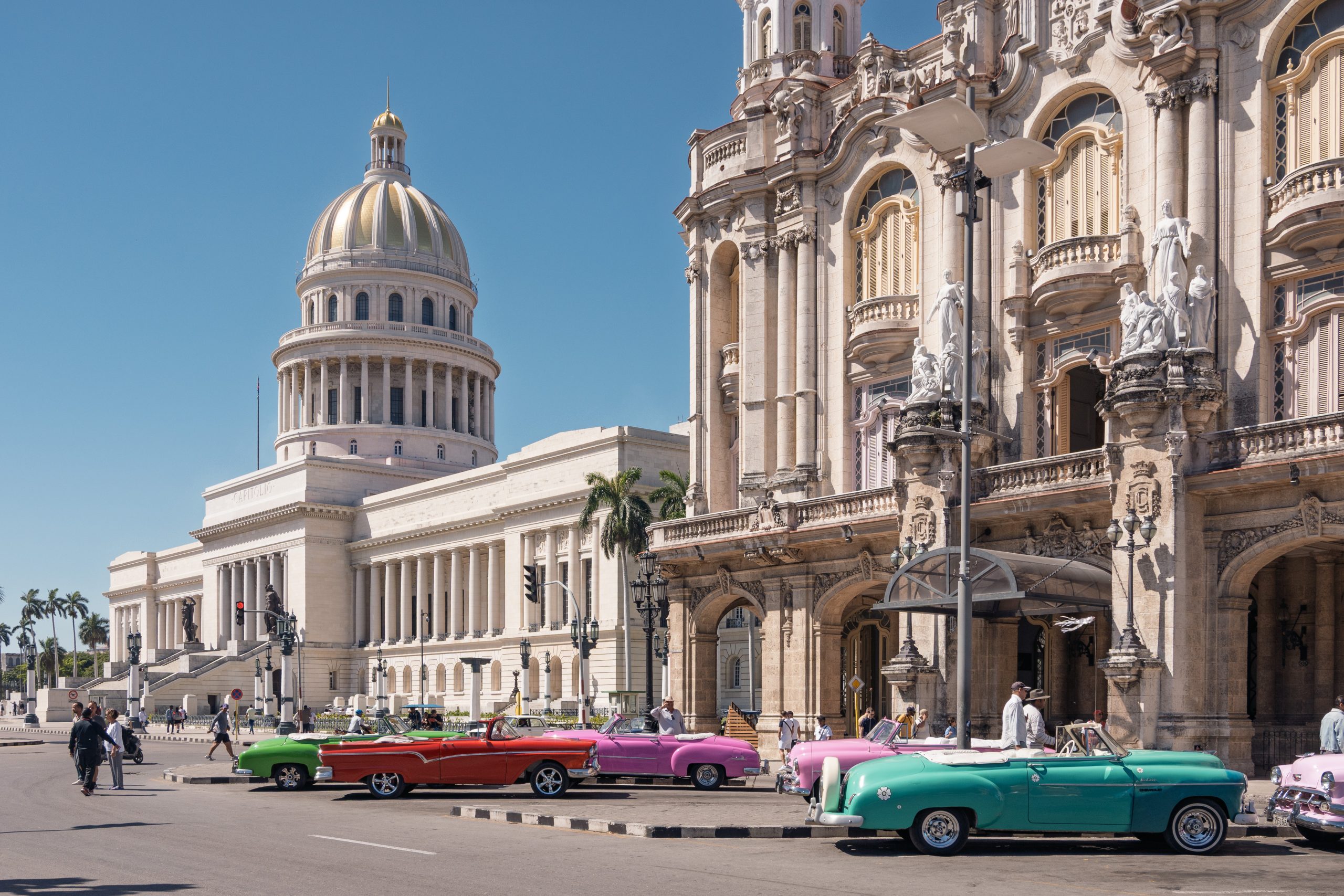
Jamaica’s first abstention in 33 years
Jamaica had voted yes every year since the resolution was first tabled in 1992. This year it abstained, and the government explained the shift in its own terms. Foreign Affairs Minister Kamina Johnson Smith called it a shift in policy that the government had been reflecting on for some time, citing concern for the humanitarian situation in Cuba and support for dialogue between Washington and Havana. The government says no outside pressure was applied.
Not everyone in Jamaica accepted that account. Former Prime Minister P.J. Patterson answered the abstention with a statement on October 29 titled “An Abominable Betrayal Which History Will Never Forget.” Patterson is one of the Caribbean’s most respected elder statesmen, and his statement landed hard precisely because it came from inside Jamaica’s own political tradition, not from Havana or Washington. For Jamaican Canadians, the argument is not abstract. It is about what Jamaica stands for when the vote is counted, and whether a 33 year record of solidarity can be set aside in the name of dialogue.
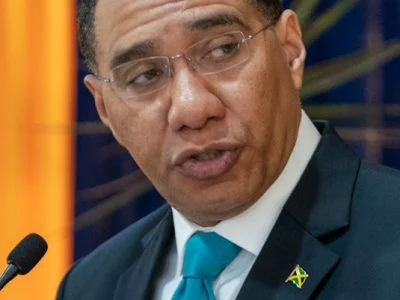
The fallout continued after the vote. Holness says Jamaica stands by Cuba after the UN abstention, but the churches disagree.
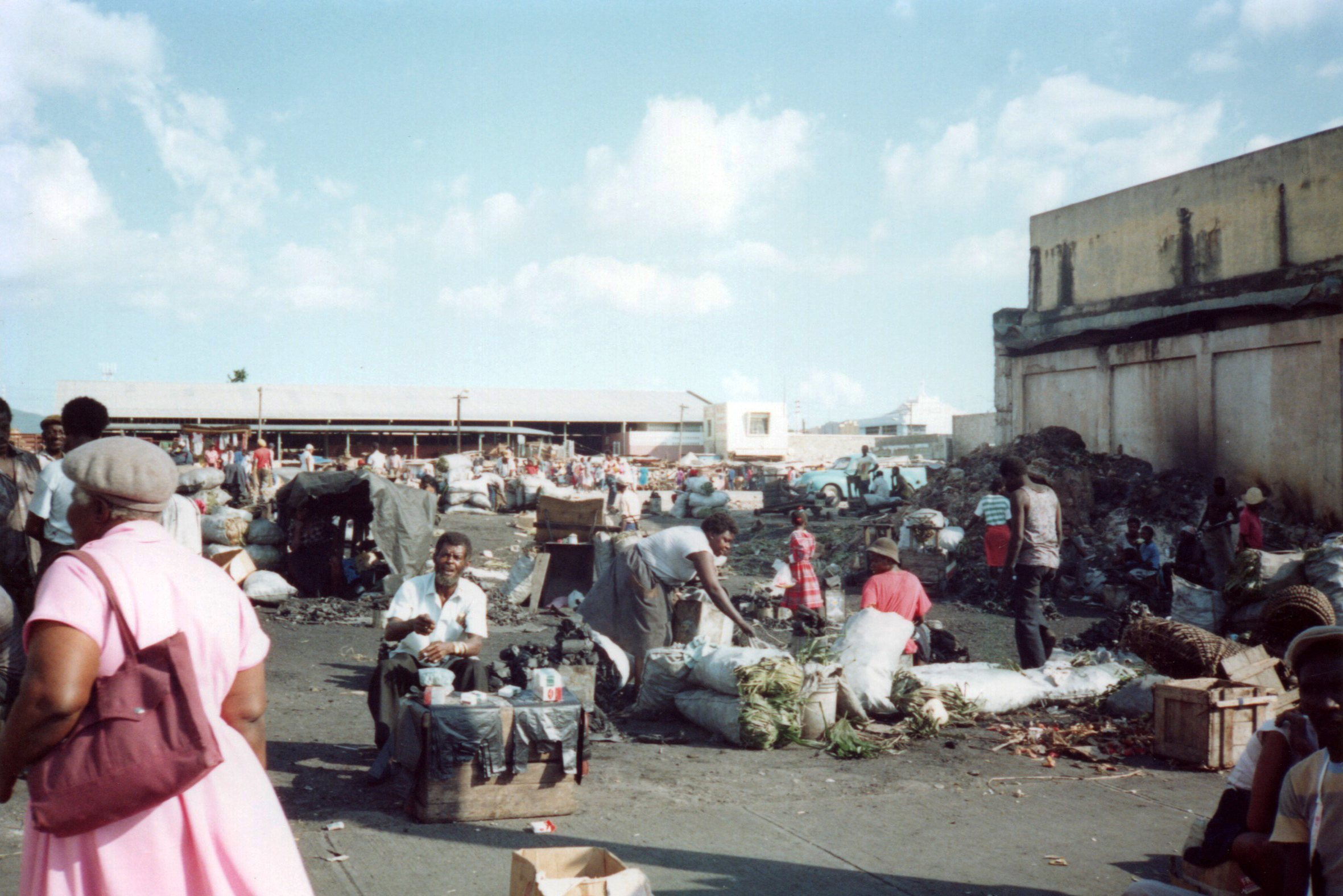
Trinidad’s no, and the pressure behind it
Trinidad and Tobago’s no vote is the sharper break. The country had voted for the resolution more than 30 times, including throughout the 2010 to 2015 People’s Partnership government led by Kamla Persad-Bissessar. To go from that record to voting against, alongside the United States, is not a small adjustment. It is a reversal, and it makes Trinidad and Tobago the first CARICOM state ever to vote against the annual resolution.
The context is not hidden. In the lead-up to the vote, the United States used diplomatic lobbying, threatened economic retaliation, and directly pressed governments to vote no. Trinidad and Tobago, Guyana and the Dominican Republic are all members of Shield of the Americas, the United States-backed security initiative, and all three moved away from their previous support: Trinidad voted no, Guyana abstained, and the Dominican Republic abstained. The reporting does not prove that any single government was bought or bullied, and this article does not claim it was. But the pattern is visible in the vote itself, and it is the pattern the Caribbean will be arguing about for months.
Where Canada stood
Canada voted yes. That is consistent with Canada’s record on this resolution, and it puts Ottawa on the opposite side of the vote from Trinidad and Tobago and on the opposite side of the abstention from Jamaica. Canada has long opposed aspects of the American embargo, and the European Union has its own blocking statute to counter the extraterritorial reach of American sanctions. For Caribbean Canadians, the Canadian yes is the least surprising part of the story, and in some ways the most useful one: it means the country they live in and the countries many of them came from are no longer voting the same way.
The resolution itself is non-binding, and only the United States Congress can lift the embargo. That has always been true, and it is why the vote is political rather than legal. But political votes still count, because they show where a government stands when standing costs something. The Toronto Caribbean Investment Summit in September made the case that the diaspora’s money and talent should build things that last, and the Cuba vote is a reminder that the diaspora’s politics are just as real as its money. A Jamaican Canadian in Toronto, a Trinidadian Canadian in Mississauga, and a Cuban Canadian in Scarborough all watched the same vote and came away with different feelings about it. That is the story, and it is not going away.
The debate opened on October 27, and the drama was visible before the vote was even counted. While the United States ambassador was speaking, Cuba’s foreign minister walked to the podium and raised a point of order. The Assembly voted, the numbers came up on the board, and the Caribbean’s 33 year record of unity on Cuba ended in a single afternoon. The resolution passed. The bloc did not.
FAQ
What did the UN vote on?
The annual resolution calling for an end to the United States economic, commercial and financial embargo against Cuba, draft A/81/L.5, adopted October 28, 2026.
How did the vote go?
130 in favour, 17 against, 25 abstentions. Last year it was 165 in favour, 7 against, 12 abstentions.
How did Caribbean countries vote?
Trinidad and Tobago voted no. Jamaica, Guyana and Haiti abstained. Antigua and Barbuda, Dominica and Saint Lucia did not vote. The Bahamas, Belize, Barbados, Grenada, St. Vincent and the Grenadines, St. Kitts and Nevis, and Suriname voted yes.
How did Canada vote?
Canada voted yes, consistent with its record on this resolution.
Does the vote lift the embargo?
No. The resolution is non-binding. Only the United States Congress can lift the embargo.
Sources
- United Nations Meetings Coverage, GA/12801, “General Assembly Adopts Resolution Calling for End to United States Embargo against Cuba,” October 28, 2026.
- Caribbean Media Corporation via Caribbean Today, “Havana loses significant support from Caribbean in vote on UN resolution condemning US embargo,” October 28, 2026.
- Reuters via Latin America Daily Briefing, “U.S. pressure chips away at Cuba’s U.N. majority,” October 29, 2026.
- The Most Hon. P.J. Patterson, “An Abominable Betrayal Which History Will Never Forget,” October 29, 2026.
- Aurax News, “Caribbean Splits at UN as More Countries Abstain or Skip Cuba Embargo Vote,” October 29, 2026.

Get the next ranking first. Join the Yardie Dispatch.



Be the first to comment. Start the conversation!