The Oxtail Crisis: Why Sunday Dinner Now Requires a Credit Check
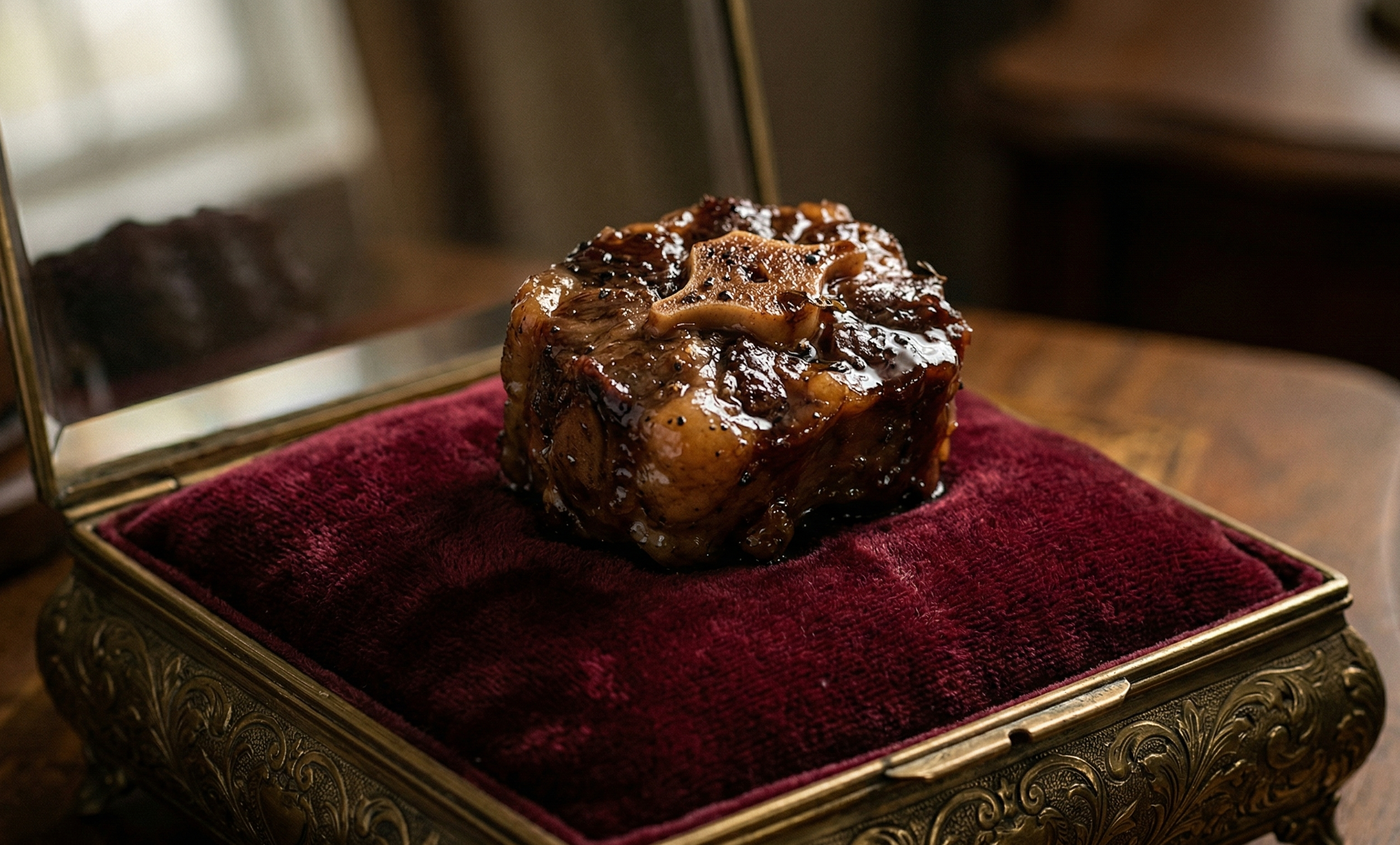
Picture the scene. It is Saturday morning in Scarborough. Or maybe you are fighting for your life in a parking lot in Brampton or Mississauga. You walk into the butcher shop with your head held high, ready to secure the goods for the Sunday soul food ritual. You reach the counter and confidently ask for three pounds of oxtail.
The butcher does not even move. He does not grab the cleaver. Instead, he looks at you with a level of intense concern usually reserved for a man asking for a second mortgage. He slowly points to the digital scale.
$19.49 per pound.
Your heart drops into your stomach. You start doing that “Yardie Math” in your head and realize three pounds of bone and gravy is about to cost you more than your monthly phone bill. We have officially entered the Twilight Zone.
Just ten years ago, back in 2015 or 2016, you could walk into any grocery store with a twenty dollar bill and come out with enough oxtail to feed the entire block. It was the original “struggle meat.” It was the tough, bony cut that required four hours and a pressure cooker to turn into magic. Back then, it was cheap because nobody else wanted it.
You remember how Grandma used to do it? A Sunday plate was not a suggestion; it was an event. You had the rice and peas acting as the foundation, flanked by a trio of champions. You had the Brown Stew Chicken, the Curry Goat, and the Oxtail sitting right in the middle like the MVP. It was not a party. It was just Sunday.
But in 2026, serving three meats is a billionaire flex. At nearly twenty dollars a pound, oxtail has been gentrified right out of the pot. It has been rebranded from humble soul food to some kind of “artisanal bovine delicacy,” and the price tag is reflecting that nonsense. Now, if you want that Sunday tradition, you have to make a choice. Do you want to eat oxtail, or do you want to pay your car insurance on time?
Welcome to the great diaspora pivot. It is the era where the Oxtail is only for the Instagram photos, but the Curry Chicken is what is actually keeping the family alive.
The Hard Math Behind the Heartbreak
If you think your eyes are playing tricks on you when you look at the grocery flyer, think again. The numbers are actually worse than they look. According to the latest 2026 food reports, meat prices across Ontario have been climbing at a steady rate of five to seven percent every single year. While that might sound like a small jump on paper, it is the difference between a full pot of stew and a sad bowl of cereal.
The real tragedy is visible when you step into your local takeout spot. Check the chalkboard menu and you will see the evidence of the struggle. A large oxtail meal at a reputable GTA shop is now sitting anywhere between twenty-two and twenty-eight dollars. By the time you add a ginger beer and a patty, you are basically spending a fifty dollar bill on a lunch for two. Meanwhile, the faithful large curry chicken is still holding the line. At fourteen to sixteen dollars, it has become the unofficial sponsor of the Jamaican Canadian bank account.
So, how did we get here? It is not just about inflation. It is about the “Foodie Effect.” Somewhere along the line, oxtail went mainstream. High end restaurants in downtown Toronto discovered the magic of slow braised beef tail and started putting it on menus with wine pairings and fancy garnishes. Once the secret got out to the masses, the demand skyrocketed. What used to be our little community secret is now a luxury item being bid on by corporate chefs.
This newfound fame has left the diaspora in a tight spot. We are watching our heritage ingredients get priced out of our own kitchens. While the food bloggers are busy posting photos of “deconstructed oxtail tacos,” those of us in the community are forced to look for alternatives just to keep the tradition alive. It is a strange world when a piece of tail is more expensive than a prime rib steak, but that is the reality of the 2026 kitchen.
Share this post