
Canada updated its travel advice for Belize on November 3, 2026, and the timing tells two stories at once. The first story is a warning: a 30-day state of emergency in parts of Belize, gang violence in Southside Belize City, and a Canadian government telling travellers in the affected areas to carry valid identification and remain vigilant at all times. The second story is the numbers: Canadians are choosing Belize in greater numbers than ever, with stopover arrivals up 17 percent in the first nine months of 2026, even as the country’s overall visitor numbers fell.
Both stories are true. Neither cancels the other. The question for a Canadian traveller, and for the Belizean Canadian community watching from the GTA, is what the warning actually covers, where it does not apply, and whether the growth survives the headlines.
What Canada actually said
The update came from Global Affairs Canada on November 3, 2026. It adds identification and transportation guidance following a state of emergency in parts of the country. The emergency was declared on October 31 and took effect on November 1, running for 30 days. During that period, security forces can restrict movement, carry out searches, and detain people of interest.
The advisory names the areas it covers. They are Northside Belize City and Southside Belize City, Ladyville in Belize District, Cotton Tree and Unitedville in Cayo District, and the Coastal Highway between La Democracia and Hope Creek. That list matters, because it is specific. It is not the whole country. It is not the cayes, where most Canadian tourists actually go. It is not Placencia, Hopkins, or San Ignacio town, except for the two named Cayo villages.
The Canadian guidance recommends carrying valid identification and keeping backup copies of important documents, including a photocopy of a passport and digital copies of identification and travel documents. It also warns about armed conflicts between rival gangs, particularly in Southside Belize City, where groups fight over territory tied to criminal activity. Gang violence is described as a significant concern in Belize, especially in Southside Belize City, and gang members often use weapons to resolve disputes.
The United States has also heightened its own advice. The US State Department keeps Belize at Level 2, exercise increased caution, with a stronger warning for Southside Belize City, and the United Kingdom maintains its own safety guidance covering crime, transport, and extreme weather. Canada’s update is part of that pattern, not an outlier.
Why Canadians are going anyway
The arrival figures come from the Belize Tourism Board, obtained by Tourism Analytics and reported November 4, 2026. Canadian stopover arrivals reached 28,186 between January and September 2026, up from 24,085 in the same period in 2025. That is a 17 percent increase. The Canadian market grew even as Belize’s overall stopover arrivals fell 1.9 percent over the same nine months.
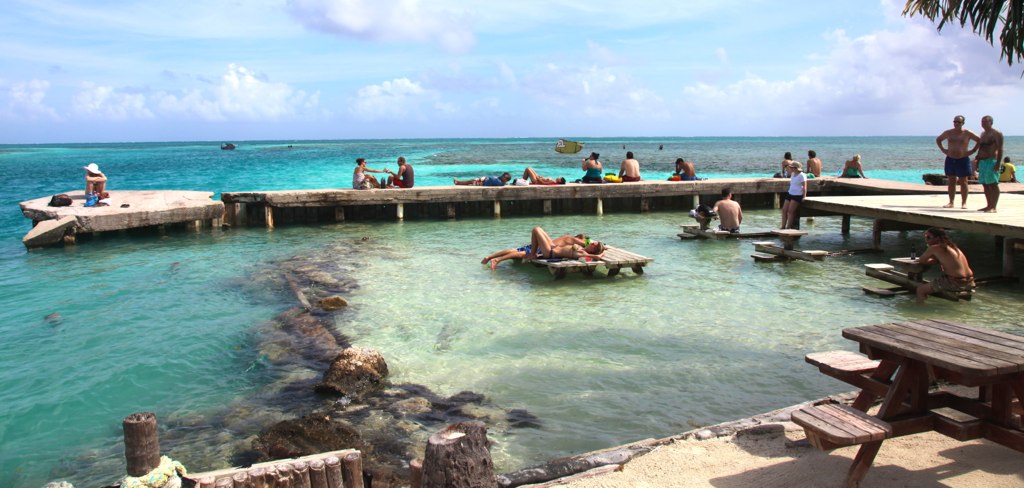
That contrast is the story. Canadians are not following the crowd to Belize. They are leading it, at a moment when the overall market is shrinking. The growth also predates the November emergency, which means the figures do not show whether the latest security warnings have affected Canadian travel. Anyone claiming the emergency has already hurt bookings, or that it has had no effect, is guessing. The data that would answer that question does not exist yet.
The Belizean Canadian community is small compared with the Jamaican or Trinidadian communities in the GTA, and it is easy to overlook. But the arrival numbers say the connection is growing, and the growth is Canadian-led. That is why a travel advisory for Belize belongs on a Canadian Caribbean site, even though Belize sits on the Central American mainland rather than on an island.
What the warning does not say
It is worth being precise about what Canada did not do. Canada did not tell Canadians to avoid Belize. It did not raise the country to its highest warning level. It did not close the border, suspend flights, or advise against all travel to the country. It updated its advice for specific areas, added identification guidance, and warned about gang violence in a specific part of Belize City.
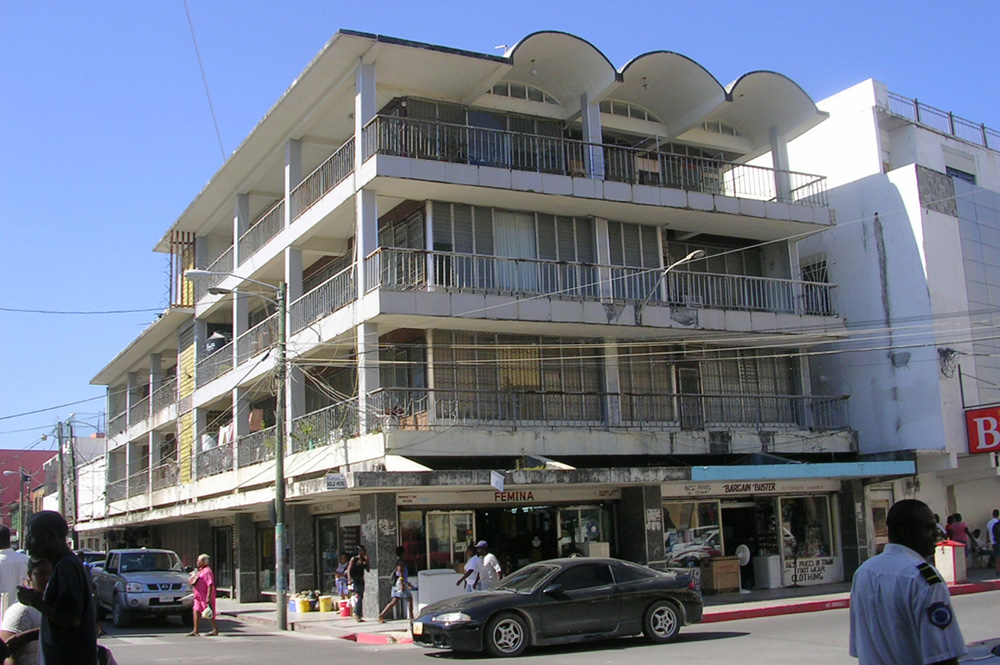
It is also worth being precise about the geography. Southside Belize City is the area the US State Department rates most severely, and it is the area Canadian guidance flags most directly. Northside Belize City, across Haulover Creek, is a different place in practical terms, and the cayes offshore are further removed still. A traveller flying into Belize City and heading straight to San Pedro or Caye Caulker is not spending time in the areas the advisory names, though the airport transfer still passes through the city.
The emergency itself is time limited. Thirty days from November 1 takes it to the end of November, unless it is extended. Extensions are possible, and the police commissioner has said disputes between gangs were leading to retaliatory attacks and that regular policing was no longer enough to contain the violence. That is a frank statement, and it explains why the emergency was declared. It does not mean the emergency will last indefinitely.
What to check before booking
The practical advice is simple, and it comes from the advisory itself rather than from this article. Carry valid identification. Keep a photocopy of a passport and digital copies of identification and travel documents, separate from the originals. Follow the instructions of local authorities. Check the advisory again before travelling, because a 30-day emergency can be extended, shortened, or narrowed, and the advice will move with it.
Check the flight picture too. This article does not quote fares, and it does not claim a particular nonstop schedule, because schedules and prices change faster than an article can keep up with them. Travellers should confirm their own flights, transfers, and accommodation directly, and should check whether their travel insurance covers travel to an area under a state of emergency, because some policies treat that differently.
The numbers say Canadians found Belize before the warning. The warning says the Belize City end of the trip needs care. The next set of arrival figures, covering October to December, will say whether the two can coexist. Until then, the honest position is the one the figures support: Canadians are going to Belize in record numbers, and Canada is telling them to carry their ID and stay vigilant while they do.
Sources: Global Affairs Canada travel advice for Belize, updated November 3, 2026, as reported November 4, 2026; Belize Tourism Board stopover arrival figures, January to September 2026, obtained by Tourism Analytics and reported November 4, 2026; Breaking Belize News on the state of emergency taking effect November 1, 2026; US Department of State Belize travel advisory, Level 2, and United Kingdom Foreign Office Belize travel advice.

Get the next ranking first. Join the Yardie Dispatch.



Be the first to comment. Start the conversation!