
Canada is putting 110 million dollars into helping Caribbean countries fight transnational organised crime. That is the number High Commissioner of Canada to Jamaica Mark Berman gave in Kingston, and it is the number the Jamaica Information Service printed. If you saw 100 million dollars instead, you were not imagining it. That figure ran in headlines too. It was wrong, and the error is worth explaining, because it shows how fast a wrong number travels when the right one is sitting in the official record.
Berman announced the investment while speaking at the final planning conference for Exercise Event Horizon 2027, held at the Jamaica Defence Force Caribbean Military Academy from October 26 to 27. The money comes through Global Affairs Canada’s Anti-Crime Capacity-Building Program, known as ACCBP, and it is meant to strengthen the capacity of Caribbean countries, including Jamaica, to combat transnational organised crime and address emerging security threats.
“Jamaica is the largest recipient of ACCBP support in the Caribbean, reflecting both the scale of our partnership and Jamaica’s leadership role in advancing regional security,” Berman said. That sentence is the one that matters most for readers in Toronto, because it says plainly what the money is for and where most of it lands. Jamaica is not one recipient among many. It is the largest one, and Berman tied that to Jamaica’s leadership role in regional security, not only to its crime problem.
What the money is fighting
Berman described the threat in terms that will sound familiar to anyone who follows the news from home. Criminal networks exploit maritime and air routes to move drugs, firearms and people, and they run cybercrime and other illicit activity alongside it. Those threats, he said, undermine security and democratic resilience, while harming legitimate trade and limiting economic opportunities for citizens and communities.
That last line is the one that connects a security announcement to a kitchen table in Scarborough or Brampton. When crime chokes trade, it chokes jobs. When it limits economic opportunity, it pushes more young people toward the same networks that are being fought. The Toronto Caribbean Investment Summit in September made the same point from the business side: the diaspora’s money and talent should build things that last, and nothing lasts long in a place where organised crime sets the terms.
Berman also made a point of saying the work does not stop at the Caribbean’s edge. Canada supports anti-crime capacity building in other countries too, including Costa Rica and Guatemala, because criminal networks operate across borders and need collaborative approaches to beat them. The 110 million dollars, though, is the Caribbean figure. That is what the Jamaica Information Service reported, and that is what Berman’s remarks support.
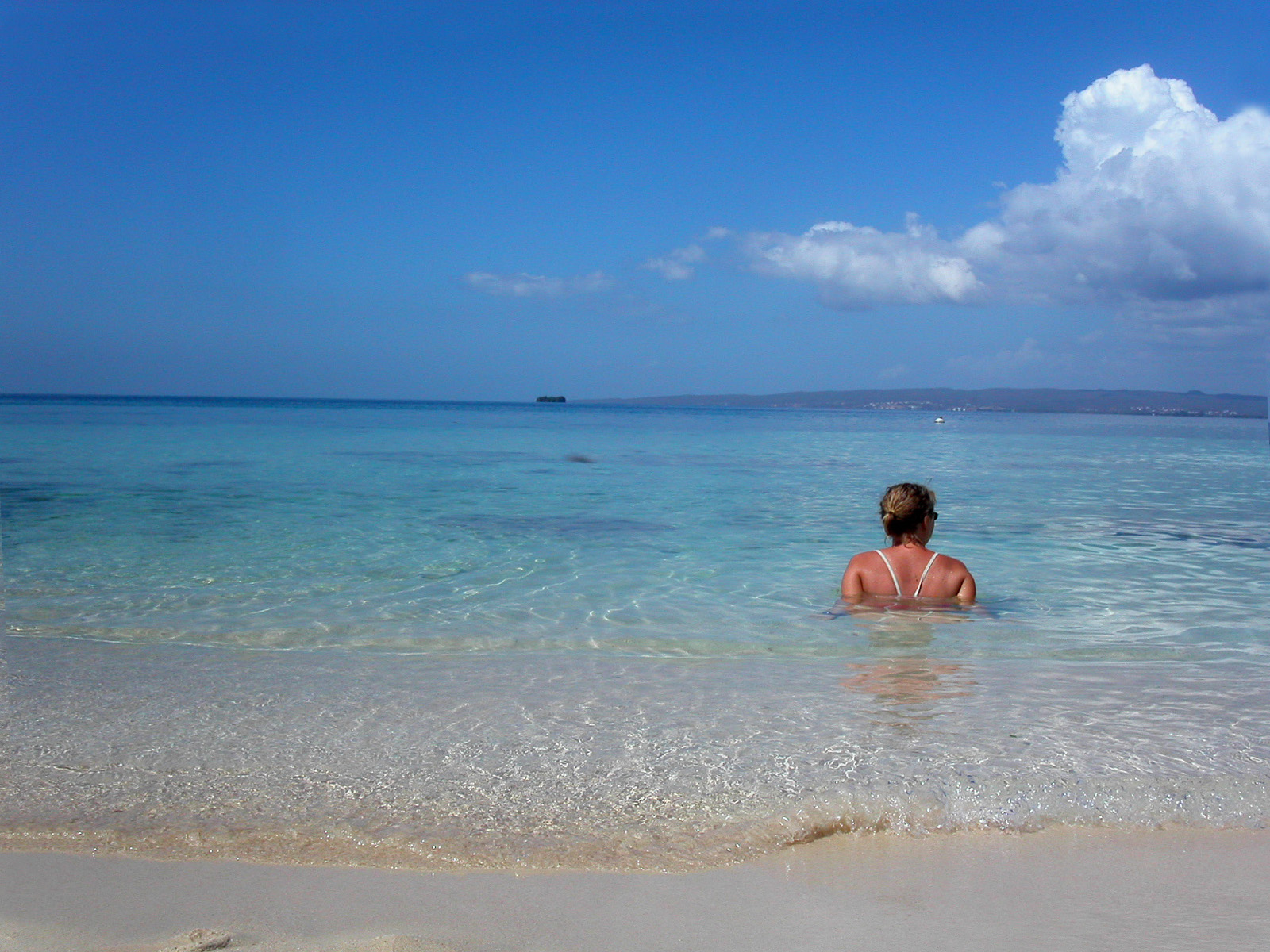
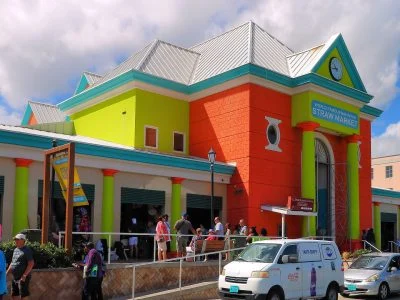
Photo: Gmanacsa, via Wikimedia Commons, CC BY-SA 2.0.
The exercise behind the announcement
The announcement came at a planning conference, not at a handover ceremony, and that timing matters. Exercise Event Horizon 2027 is the exercise being planned, and it runs from January 15 to 29, 2027. It is a biennial multinational, multi-agency and multi-domain military and security exercise hosted by the Jamaica Defence Force, through its Maritime Air and Cyber Command, and it brings together military, civilian and regional partners to test readiness across maritime security, search and rescue, cybersecurity, and humanitarian assistance and disaster relief.
Canada has backed the exercise before, and Berman used the conference to reaffirm that support, with planning coordination from partners including the United Nations Office on Drugs and Crime and the World Food Programme. He also recognised the leadership of the Barbados-based Regional Security System and the Trinidad-based Caribbean Community Implementation Agency for Crime and Security, known as CARICOM IMPACS. The point of naming them is that the Caribbean already has its own security institutions, and Canada’s money is meant to strengthen those institutions rather than replace them.
“Canada’s security partnership with Jamaica is long-standing, and it is based on predictability and trust. We are continually evolving to meet new realities,” Berman said. That is diplomatic language, but it carries a real claim: this is not a one-off announcement tied to a single crisis. It is a partnership that predates this funding round and is meant to outlast it.
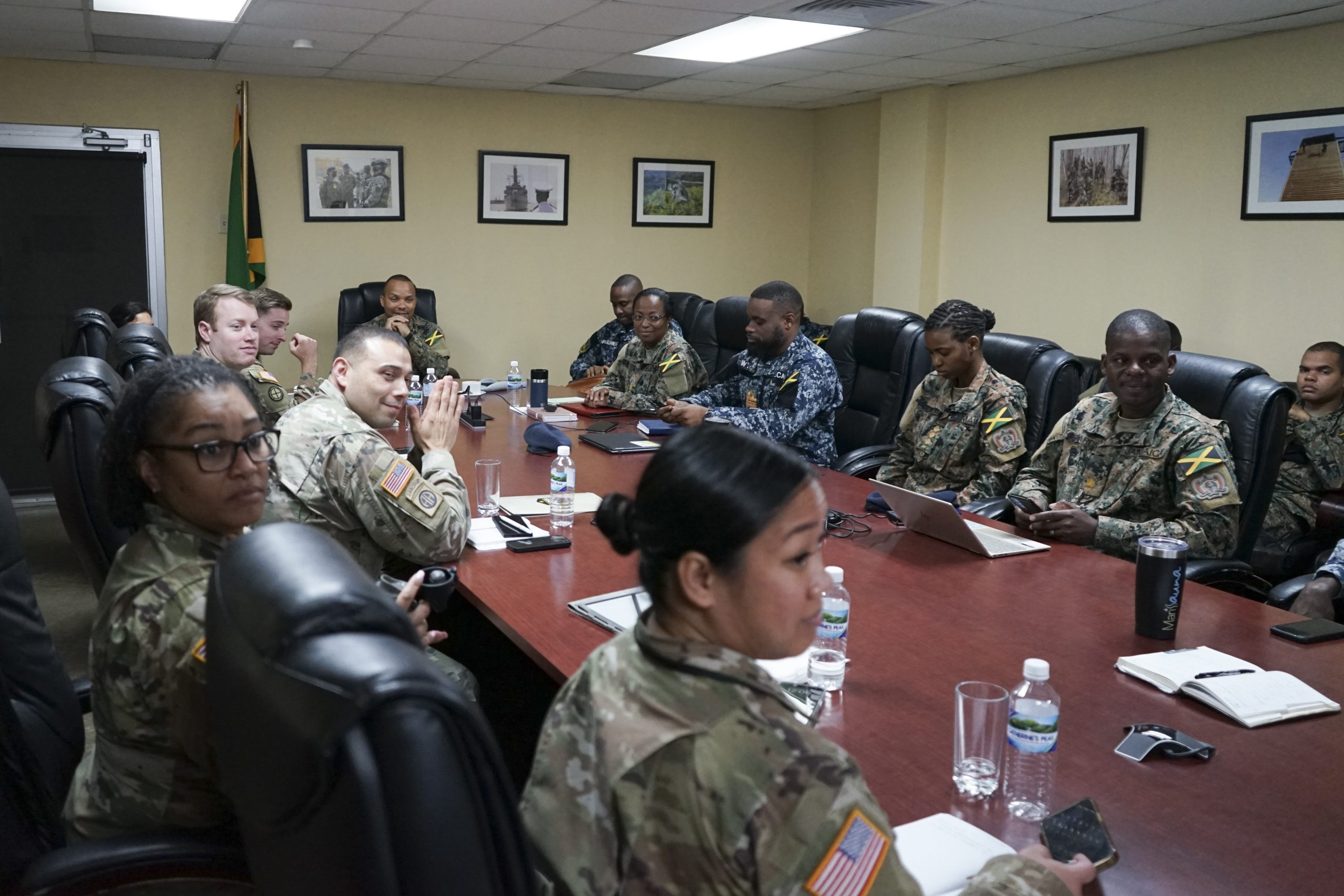
Photo: U.S. Air National Guard, via Wikimedia Commons, public domain.
Why some outlets said 100 million
Here is the honest account of the error. The Jamaica Inquirer ran the story under a headline that said CAD$100M. Its own article text said 110 million. IRIE FM posted a graphic on November 8 that said CAD$100M, and its Facebook post carried the same figure. The Jamaica Information Service, which is the Jamaican government’s own news agency and the primary source for Berman’s remarks, says 110 million in its headline and in its text. The McKoy’s News broadcast graphic also said 110 million.
So the record is clear, and the discrepancy is not a matter of interpretation. One headline got it wrong, and the wrong number was copied before anyone checked the body of the article it came from. This article uses 110 million because that is what the High Commissioner said and what the official record supports. If you see 100 million elsewhere, now you know where it came from.
For Jamaican Canadians, the number is not abstract. The flights that carry 400,000 seats between Canada and Jamaica this winter also carry families, remittances and the daily news from home. When Canada invests in Jamaica’s security, it invests in the safety of the places those families come from, and in the trade and tourism that keep the island’s economy moving. A hundred and ten million dollars will not end organised crime. But it is real money, from a real programme, announced by a real person, on the record. That is worth reporting accurately, starting with the number itself.
FAQ
How much is Canada investing in Caribbean crime fighting?
CAN$110 million, through Global Affairs Canada’s Anti-Crime Capacity-Building Program. Some outlets reported $100 million; that figure came from a headline error and is not correct.
Who announced it?
High Commissioner of Canada to Jamaica Mark Berman, speaking at the final planning conference for Exercise Event Horizon 2027 on October 26 to 27, 2026.
Which country gets the most?
Jamaica is the largest recipient of ACCBP support in the Caribbean, according to Berman.
What is Exercise Event Horizon 2027?
A multinational military and security exercise hosted by the Jamaica Defence Force, running January 15 to 29, 2027, covering maritime security, search and rescue, cybersecurity, and humanitarian assistance and disaster relief.
Sources
- Jamaica Information Service, “Canada Invests CAN$110 Million to Improve Capacity of Caribbean States to Deal with Transnational Crime,” last updated November 6, 2026. https://jis.gov.jm/canada-invests-can110-million-to-improve-capacity-of-caribbean-states-to-deal-with-transnational-crime/
- Caribbean Media Corporation via CANA News, “Canada reaffirms commitment to strengthening security in the Caribbean,” October 28, 2026. https://www.cananews.com/canada-reaffirms-commitment-to-strengthening-security-in-the-caribbean/
- Jamaica Inquirer, “Canada invests CAD$100M into strengthening capacity of Caribbean countries including Jamaica,” November 8, 2026 (headline figure contradicted by its own body text, which says $110 million). https://jamaicainquirer.com/canada-invests-cad100m-into-strengthening-capacity-of-caribbean-countries-including-jamaica/

Get the next ranking first. Join the Yardie Dispatch.



Be the first to comment. Start the conversation!