
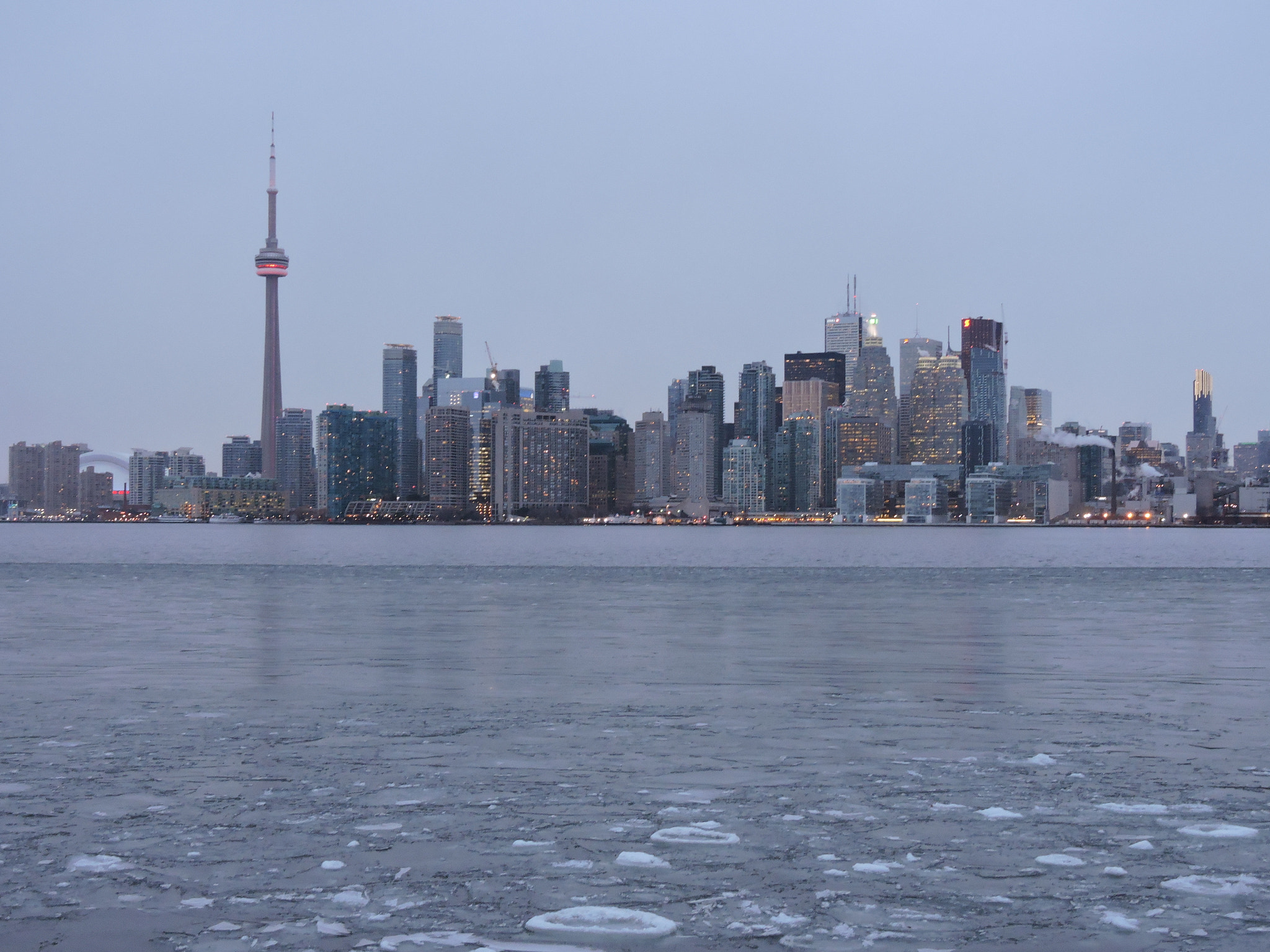
Picture it. Snow coming down on a Toronto street. Steam on the windows of a patty shop. The CN Tower sitting in the background like it owns the skyline. And the question hanging over the whole scene: where is home?
For second-generation Jamaicans in the GTA, that question is not abstract. It is the daily condition. Born or raised here to Jamaican parents, they grew up with one foot in a country they know through family, food and summer visits, and the other in a city that raised them, schooled them and hands them a shovel every winter.
Two homes, neither complete
Ask a second-generation Jamaican where they are from and watch the pause. Toronto is the honest answer. It is where their friends are, where their accent comes from, where they learned to drive, where they fell in love. But say Toronto in Jamaica and somebody will smile and call you the Canadian cousin. Say Jamaica in Toronto and somebody will ask when you moved here, as if your whole life did not happen on Eglinton, in Scarborough, in Brampton, in Mississauga.
That is the split. Jamaica gave them a heritage. Toronto gave them a life. Neither one, on its own, covers the whole person.
The first generation had a clearer story. They left a place, arrived in a place, and built a bridge between the two with phone calls, barrels and return tickets. Their children inherited the bridge but not the departure. They did not leave Jamaica. They were born into the in-between.
The patty shop settles it, for a lunch hour
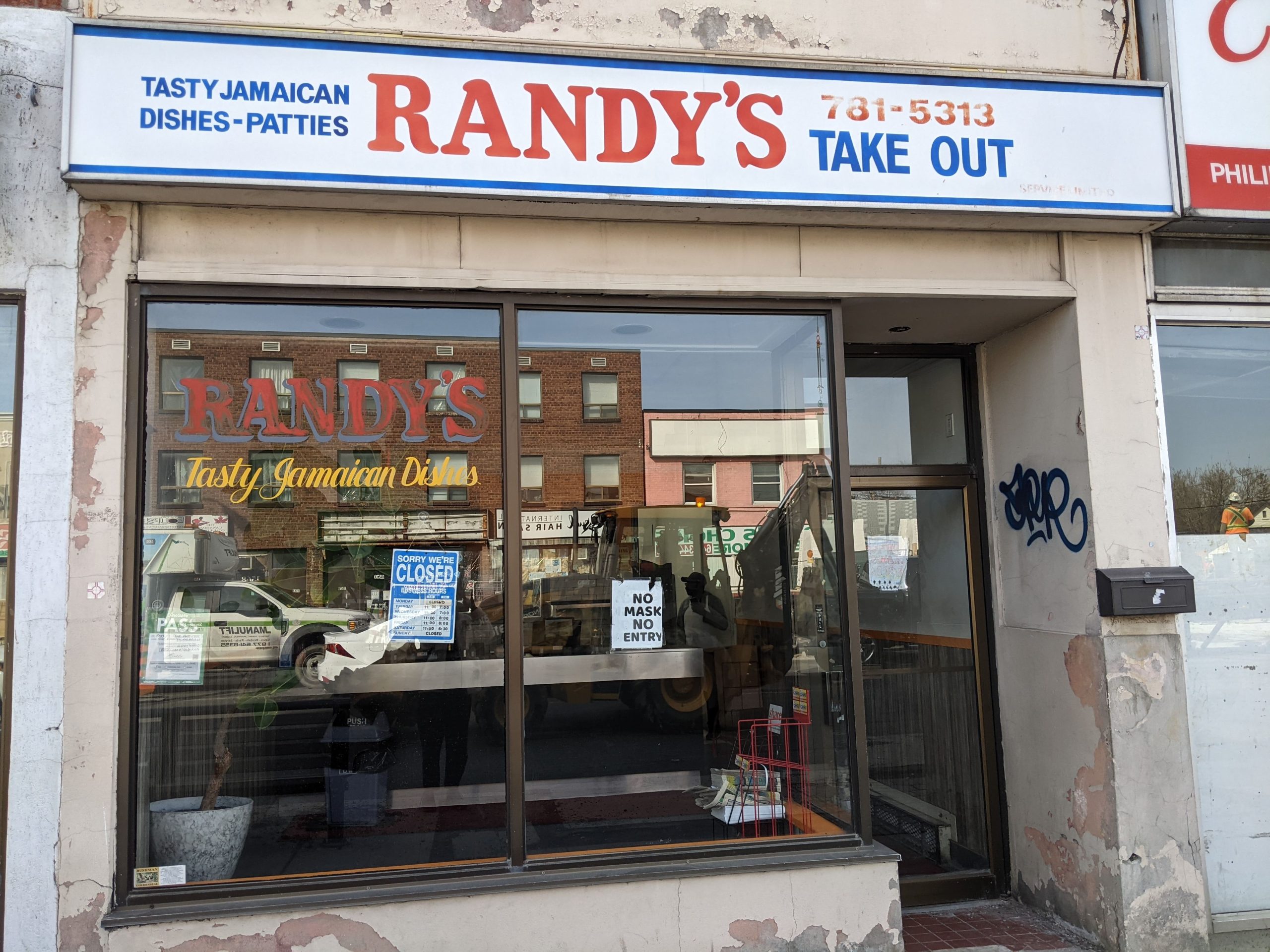
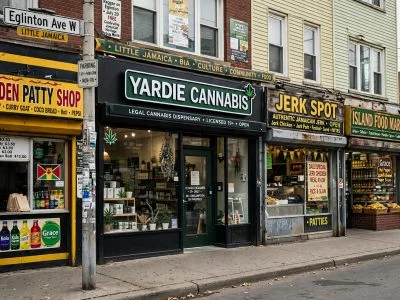
If there is one place where the question goes quiet, it is the patty shop. Walk into a spot on Eglinton West, order a beef patty with coco bread, and for a few minutes the split disappears. The taste is Jamaica. The snow on your boots is Toronto. Nobody in that line is asking you to pick.
Little Jamaica has been that kind of place for decades. Jamaican immigrants settled along Eglinton Avenue West from the late 1950s onward, and the strip became the first big city root for Toronto’s Jamaican community: jerk spots, barbershops, record shops, groceries, churches, gathering places that became landmarks. For the children of those immigrants, the strip is not a themed attraction. It is where their parents’ world is still touchable, in public, on the sidewalk, in the music coming out of doorways.
That is why the patty shop matters more than a meal. It is a third place. Not Jamaica, not the rest of Toronto, but a room where both are true at once.
Snow is a credential nobody asked for
Here is the part people outside this story miss. Winter is not just weather for second-generation Jamaicans. It is proof of belonging that Jamaica could never give them.
Shoveling a driveway in Scarborough. Waiting for a streetcar in a storm. Owning a proper winter coat and knowing which boots actually work. These are small, unglamorous Canadian credentials, and they are earned, not inherited. Nobody who grew up with Toronto winters has to prove they are from here. The snow did that for them.
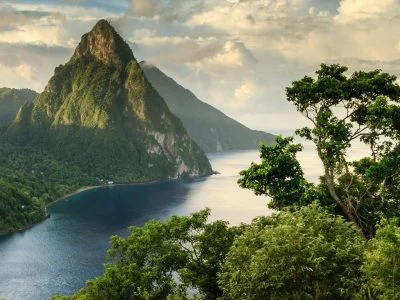
And yet the snow also marks the distance. Every winter is a reminder that the island their parents describe, the heat, the yard, the mango tree, is not the place they wake up in. Home, for them, includes a season their parents spent their whole adult lives trying to escape.
Landing in Jamaica as a visitor
Then there is the other landing. The summer trip to Jamaica, the family house, the cousins who grew up there. Second-generation visitors describe the same strange feeling: loved, welcomed, fed, and still slightly out of step. The accent gives them away. The references do not all land. The heat is real, the belonging is real, and the feeling of being a guest in your own family story is real too.
Nobody is being unkind. That is what makes it complicated. The family in Jamaica is not rejecting them. The city in Canada is not rejecting them either. The ache comes from being fully claimed by neither place, and fully at home in the space between them.
It helps to name that plainly, because the usual answers do not fit. “Go back home” assumes one home. “You are Canadian” erases the other one. The truth is messier and more interesting: home is not one address for this generation. It is a set of rooms.
Home moves, even when you stay put
Little Jamaica itself proves the point. The strip that raised a generation is changing, with redevelopment, new transit and rising rents pressing on the businesses that made it. A place that was supposed to be permanent turns out to be rented, not owned, in the civic sense. So even the Toronto side of home is not fixed ground. It moves.
That is why the question keeps coming back, louder every winter. If the neighbourhood changes, if the parents age, if the trips to Jamaica get rarer, what is left holding the two halves together?
The honest answer is people and practice. The kitchen table. The music. The food cooked the same way. The language, even for those who understand Patwa better than they speak it. Home, for the second generation, is less a place on a map and more a set of things they do, with people they love, in a city that is cold half the year.
So where is home?
Maybe the question itself is the answer. The fact that second-generation Jamaicans keep asking it, keep arguing about it, keep posting about it, is proof that both places matter enough to fight over. People do not agonize about places they do not love.
Home might be the patty shop in the snow. It might be the kitchen in Brampton where the curry goat tastes like Kingston. It might be the flight to Jamaica where you land and feel, for a week, like the missing piece. Or it might be the acceptance that home is not a single place at all, but the whole route between them, walked in winter boots.
Where is home for you? If you are second-generation, Jamaican, Caribbean, or from anywhere with a hyphen in it, the answer is probably longer than one word. That is not a failure. That is the story.
And the same in-between shows up at the dinner table, in the nightly debate over what’s for dinner.
Good to Know
What does second-generation mean here?
It means born or raised in Canada to Jamaican immigrant parents. Jamaica is heritage and family. Toronto is upbringing and daily life. Both shape the person.
Why does Little Jamaica matter to this story?
Eglinton Avenue West has been the heart of Toronto’s Jamaican community since the late 1950s, and the strip’s shops and gathering places are where the second generation can still touch their parents’ world in person.
Is feeling in-between a problem to solve?
Not necessarily. For many second-generation Jamaicans, the in-between is not a wound. It is the identity itself: fluent in two places, fully at home in neither, and at home in the space between them.
Sources: Desk research, October 2026. Background on Little Jamaica from Toronto’s Jamaican settlement history along Eglinton Avenue West. No individual is named and no commenter is quoted. The viral social post that sparked the question could not be independently verified, so it is not cited as a source.

Get the next ranking first. Join the Yardie Dispatch.
Be the first to comment. Start the conversation!