
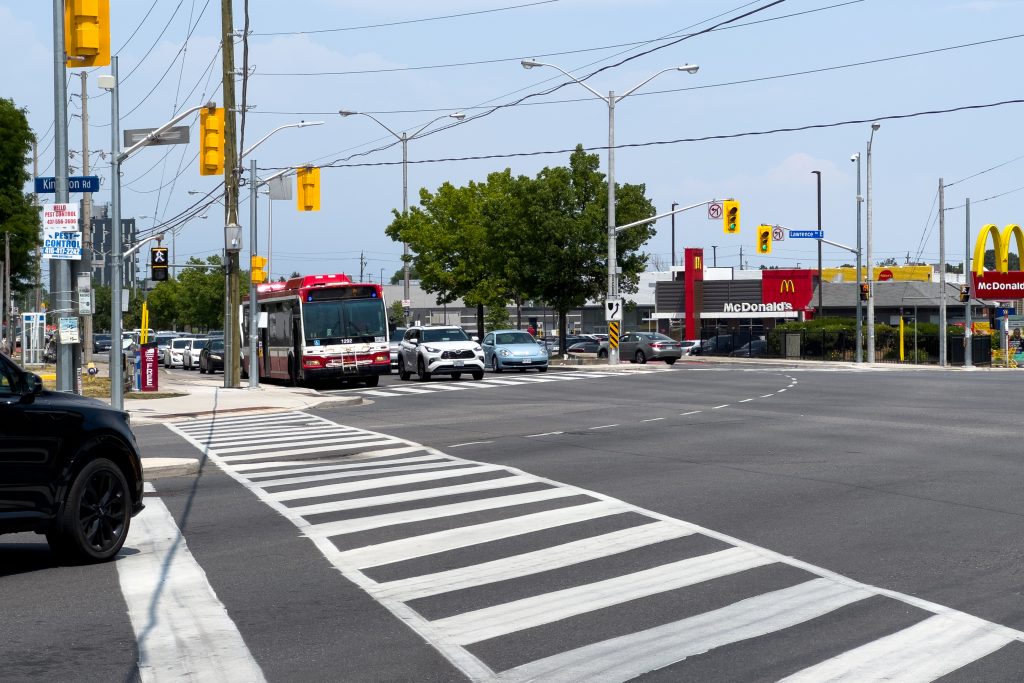
I hear Toronto every day, in the way people greet each other, in the way a sentence turns. I also hear the argument that follows it. Who built this way of talking? Who gets the credit?
My take is plain. Toronto slang is Jamaican at its root, and Toronto in its growth. Both parts are true. Both parts deserve to be named. I am not here to pick a winner, because the language itself did not pick one.
What O’Sound said, and why it landed
Creator O’Sound is a first generation Jamaican Canadian born in the 1980s. On November 6, 2026, he replied to a comment that said Toronto slang is deeper than borrowed Jamaican lingo, and that he had left out Somali and Arabic influences.
His answer was calm and direct. He said his Toronto was shaped by West Indian and Jamaican patois. He said words like wallahi, miskeen and habibi entered Toronto youth speech later, in the 2000s. He did not say those words do not belong. He said their influence does not equal the Jamaican foundation.
I understand why that reply landed. It was a person speaking from his own life, saying, this is what I heard first, do not rewrite that. I also understand the other side. If you grew up hearing Somali and Arabic words at home and on the block, you want those words named too.
The foundation is Jamaican patois
Let me say the foundation part first, because it gets softened too often. Jamaican patois is the foundation of Toronto slang.
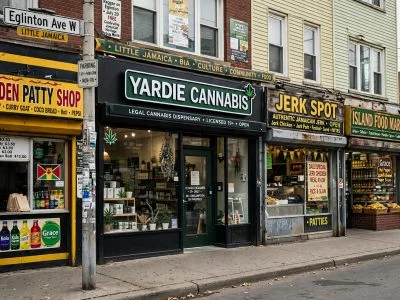
Jamaican families settled in Toronto and Scarborough from the 1960s through the 1990s. They brought sound system culture, dancehall and reggae, food, church, family, and language. They brought patois into homes, into schools, into the street, and their children carried it further.
That is decades of living, working, raising children, and keeping a language alive far from home. When I hear Toronto slang now, I hear that history in it. I hear a community that did not ask for permission to shape a city. It just lived here, and the city changed around it. Name that plainly. As the root.
The growth is Toronto, and Toronto is mixed
Now the growth part, because it is just as real. Toronto did not stop changing after the 1990s, and neither did its slang.
Somali, Sudanese and other voices also shaped the slang later. Words like wallahi, miskeen and habibi entered Toronto youth speech in the 2000s, and they stayed, because they were real to the people who used them. They came from homes and schoolyards, the same way patois did.
I celebrate that mix. I do not see it as a threat to the Jamaican foundation. I see it as proof that the foundation was strong enough to hold more. When I hear a sentence that starts in patois and ends with a word from another home, I do not hear a mistake. I hear Toronto.
The accent people imitate is not the real thing
On November 4, 2026, O’Sound posted an earlier piece arguing that the Toronto accent people imitate online is a caricature, not the real thing. I agree with him on that.
The imitation is loud, it is overdone, and it turns a real way of talking into a joke. It takes phrases out of context and performs a Toronto that does not exist, for people who do not live here.
The real thing is quieter, and it is smarter. It is code switching, knowing when to speak one way at home and another way at school. That is the Toronto I know. It is not a costume. It is a life.
Where I land
Give Jamaican patois its credit as the foundation. Say it clearly, and do not soften it. Jamaican families built the root of Toronto slang, over decades, in Toronto and Scarborough, and that root still holds it up.
Then let Toronto keep growing. Let Somali, Sudanese and other voices be named for what they added, in the 2000s and after. Let the mix be celebrated, not treated as a problem to solve.
That is my take. No winner, no loser. A root, and a city that grew from it. If you hear your home in Toronto slang, tell me which part is yours.
Frequently Asked Questions
Q: Who is O’Sound?
A: O’Sound is a creator and first generation Jamaican Canadian born in the 1980s. He replied on November 6, 2026 to a comment about Toronto slang, and he posted an earlier piece on November 4, 2026 about the Toronto accent people imitate online.
Q: Is Toronto slang Jamaican?
A: My take is that Jamaican patois is the foundation, and Toronto is the growth. Jamaican families settled in Toronto and Scarborough from the 1960s through the 1990s, and Somali, Sudanese and other voices also shaped the slang later.
Q: What words entered Toronto youth speech later?
A: According to O’Sound, words like wallahi, miskeen and habibi entered Toronto youth speech later, in the 2000s.
Sources
- O’Sound reply, November 6, 2026, on Toronto slang, Jamaican patois, and Somali and Arabic influences.
- O’Sound post, November 4, 2026, on the Toronto accent people imitate online.
- Jamaican families settled in Toronto and Scarborough from the 1960s through the 1990s, as stated in the reference material for this draft.

Get the next guide first. Join the Yardie Dispatch.

Be the first to comment. Start the conversation!