
Groups of overseas Jamaicans who met at an investment conference have bought hotels in Negril and turned most of them into private condominiums. That is the claim from the organisers of the Throp X Investment Conference, reported by the Gleaner on November 3, 2026, and it is one of the most concrete pictures yet of how diaspora money is moving into Jamaica: not only into family homes and land, but into group deals on commercial buildings, pooled by strangers who met at a conference and decided to buy together.
The sixth staging of the conference runs November 15 to 21 in Negril, with a new focus on Montego Bay. Participants travel mainly from the United States, the United Kingdom, and Canada. For a Jamaican Canadian in the GTA who has ever thought about owning a piece of home, the story is worth reading carefully, including the parts the organisers cannot prove and the risks the reporting itself flags.
What the organisers say happened
The Throp X Investment Conference says it has generated more than US$150 million in real estate deal flow since it began in 2022. That figure comes from the organisers, cited by the Gleaner from a media release, and it has not been independently verified. This article reports it as an organiser claim, not as a confirmed fact, because no independent measure of diaspora investment in Jamaica exists. The Jamaica Observer reported in June 2026 that there is no official measure of how much diaspora investment reaches the island or which sectors attract the most, although institutions working with overseas Jamaicans say property attracts the greatest share of interest.
What is more specific, and more checkable, is the hotel count. Over its first five stagings, the organisers say the conference has supported the acquisition and sale of seven hotels in Negril, five of which have since been converted into private condominium developments. The reporting names one example in two versions that readers should not blend together. The Gleaner, via the Jamaica Homes report, cites The West in Negril, formerly the Coral Seas Cliffs hotel, bought by a group of investors who first met at the event in 2023 and since converted into condominiums. Separately, the Jamaica Observer reported in June that about 30 attendees, most of whom had not known one another before, pooled their money in 2023 to acquire the Coral Seas hotel for US$3 million, closing a few months after the conference and then beginning renovations and conversion.
Those may be the same deal described two ways, or two neighbouring deals with similar names. The reporting does not settle it, and this article does not pretend it does. What is settled is the model: a group of conference attendees, mostly strangers, pool money, buy a hotel together, and convert it into individually owned units.
The organisers also say the conference has helped more than 100 people relocate to Jamaica, facilitated more than 200 local bank account openings, and assisted with more than 100 Taxpayer Registration Number registrations in partnership with Tax Administration Jamaica.
What happens in Negril on November 15
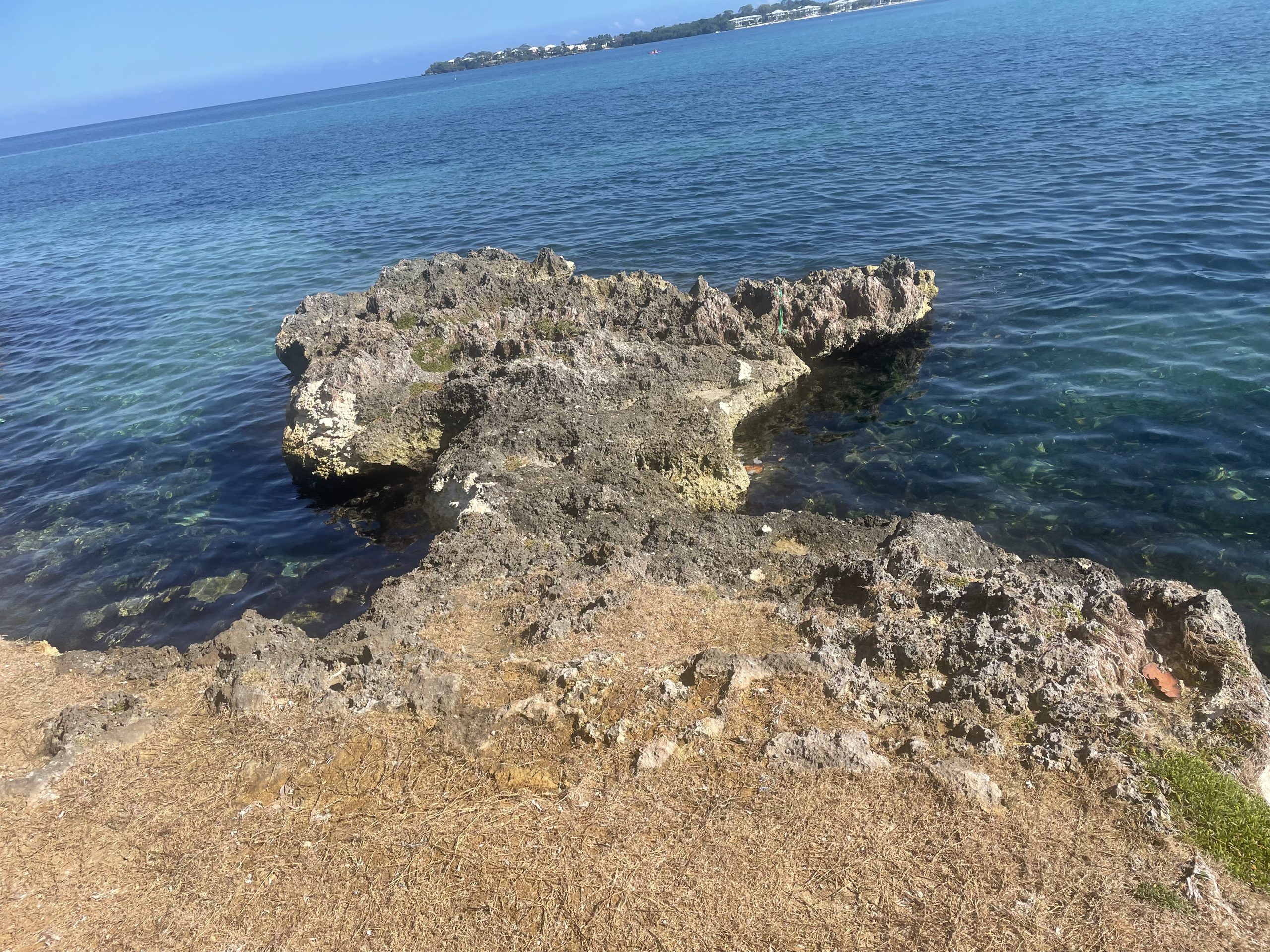
The sixth staging runs November 15 to 21 in Negril. This year’s programme adds a focus on Montego Bay, including a real estate tour of the city, and will look at modular and prefabricated housing. If the group-buying model spreads from Negril to Montego Bay, the scale changes, and so do the questions.
Participants travel mainly from the United States, the United Kingdom, and Canada. No Canadian participant count is published, and this article does not invent one. But the Canadian presence is part of the design: the conference is built for the diaspora, and the GTA is home to one of the largest Jamaican communities outside the island.
The questions a buyer should ask first
The Jamaica Homes report, which first carried this story beyond the Gleaner, lays out the risks plainly. This article is general information, not investment advice, and none of the following is a recommendation to buy anything.
Title comes first. Who will hold the title at closing, and when will individual strata titles be issued for each unit? A group purchase of a hotel does not automatically give each investor a clean, separate title. Until strata titles are issued, an investor’s ownership may be a share in a company or a partnership rather than a deed to a specific unit.
Structure comes second. Whether the group is buying through a company, a partnership, or a strata arrangement, and what happens if one investor wants out or stops paying. A deal with 30 investors has 30 exit scenarios, and the paperwork has to cover them before money changes hands.
Approvals come third. Whether the conversion from hotel to residential use has the planning and building approvals it needs from the local municipal corporation. A hotel and a condominium are different uses under planning law, and a conversion without approvals is a problem that lands on the buyers, not on the organisers.
Running costs come fourth. How maintenance, insurance, and repairs will be shared, an issue that may weigh more heavily in a hurricane prone coastal area after Melissa. A beachfront building in Negril faces salt, storms, and surge, and the shared costs of keeping it standing fall on the owners together.
Overseas buyers may also want their own attorney in Jamaica, separate from the seller’s or the organiser’s, to review the documents. That is not suspicion. It is the standard advice for any overseas property purchase, and it applies doubly when the purchase is pooled with strangers.
Why this matters beyond Negril
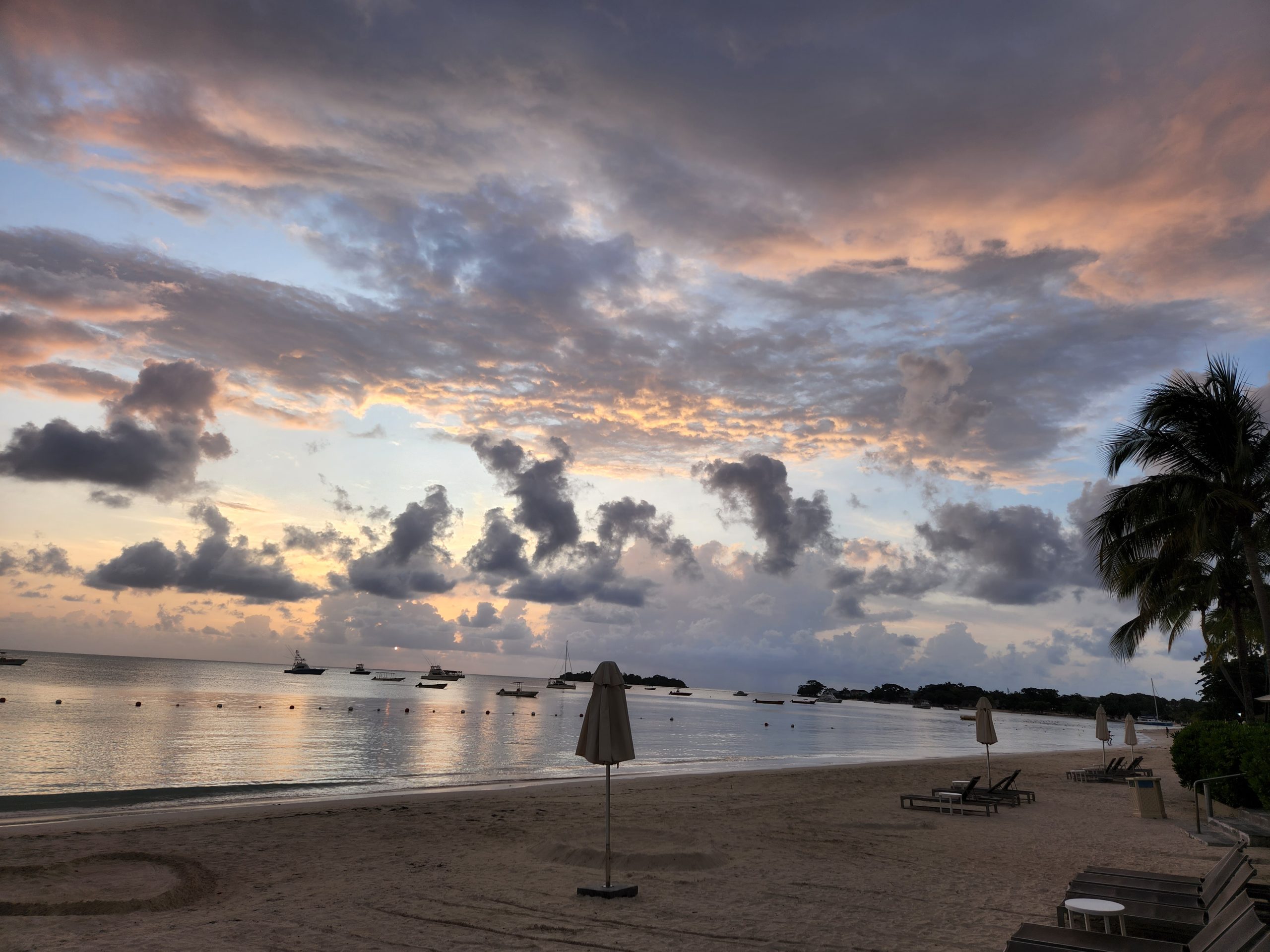
The Negril conversions offer one picture of how diaspora money is moving, and it is a picture with two sides. On one side, overseas Jamaicans are pooling money to buy real assets in Jamaica, renovating ageing buildings, and creating a path for people who could never afford a hotel on their own to own a piece of one. On the other side, the model concentrates risk in exactly the places where an overseas buyer is least able to manage it: title, structure, approvals, and shared costs, in a hurricane prone coastal town, decided at a conference.
The November 15 conference will show whether the model has legs beyond Negril. A real estate tour of Montego Bay and a programme on modular housing suggest the organisers are thinking bigger than one resort town. Whether Canadian participants are part of that next step, and whether they go in with their eyes open about titles and approvals, is the question this article leaves with its readers.
Sources: Jamaica Homes News, November 4, 2026, “Diaspora Investors Turn Negril Hotels Into Condominiums”, reporting the Gleaner, November 3, 2026; Jamaica Observer, June 2026, on the Coral Seas acquisition and the absence of an official measure of diaspora investment. All organiser figures are attributed as organiser claims, not independently verified. This article is general information only, not investment advice.
Read next: Why Is the Blue Barrel Still a Love Language for Caribbean Canadians?

Get the next ranking first. Join the Yardie Dispatch.


Be the first to comment. Start the conversation!