
The numbers behind the November increase
Saint Lucia’s Canadian story this year is not a single record month. It is a steady climb, and the clearest measure is the seven month count: 23,908 Canadian visitors from January to July 2026, up 20.3 percent on the same period last year.
Those figures come from the Saint Lucia Tourism Authority, reported around the Toronto International Film Festival circuit in September, when the island’s tourism officials were making their case to Canadian travel media. The pitch was straightforward: Canadians are coming, and they are staying longer than the average visitor.
The point is not that every Canadian is suddenly going to Saint Lucia. It is that a market that used to be an afterthought in Canadian winter sun planning is now being treated as a growth story, with airlift to match.
What changes in November
In September and October, Air Canada and WestJet each flew Toronto to Saint Lucia once a week, Air Canada on Saturdays and WestJet on Sundays. From November, both add a second weekly flight, taking Toronto to four non-stop departures a week for the winter season.
From December 2026 through March 2027, the schedule rises again, to five Air Canada flights a week and four WestJet flights a week, nine Toronto departures a week at the winter peak.
That is the practical news for GTA travellers. More departures mean more choice of travel days, and, in theory, more competitive pricing, though fares are a separate question, covered below.
One caution belongs here. The November and winter frequencies were announced in September, so they are planned schedules, not flown ones. Airlines adjust. Before booking, check the live schedule for your week, because a frequency that exists on paper in September can look different by January.
Why Canadians stay longer
Saint Lucia’s tourism officials make a specific claim about Canadian visitors, and it is worth repeating carefully. They say Canadians stay an average of ten days, compared with an overall average of around six days across all markets.
That longer stay changes what a Canadian visitor means to the island. It is not just a headcount. Ten days means more nights in hotels, more meals out, more day trips, and more of the island seen beyond the resort gate.
The island is also pitching itself beyond the beach. The Pitons, its twin volcanic peaks and a UNESCO World Heritage Site, are the postcard, but the pitch includes rainforest hiking, the Sulphur Springs in Soufriere, often described as the world’s only drive-in volcano, where visitors can walk among steaming pools and take a mud bath.
The island behind the numbers
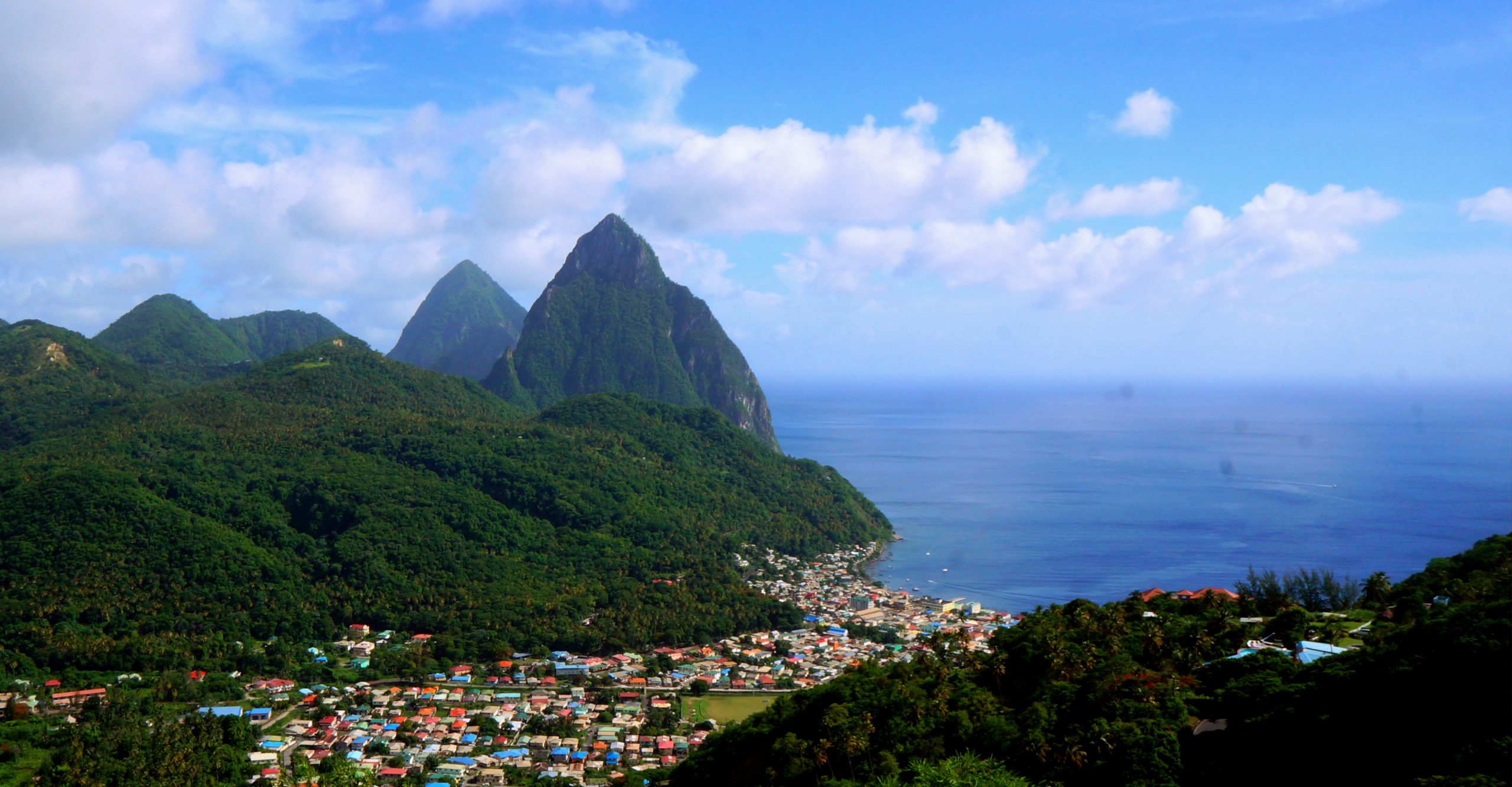
It helps to know what those Canadian visitors are actually flying to. Saint Lucia is an eastern Caribbean island nation, and its calling cards are not just beaches. The Pitons rise straight out of the sea on the southwest coast. Soufriere, the old French colonial capital, sits in their shadow, with the Sulphur Springs nearby, often described as the world’s only drive-in volcano, where visitors can walk among steaming pools and take a mud bath.
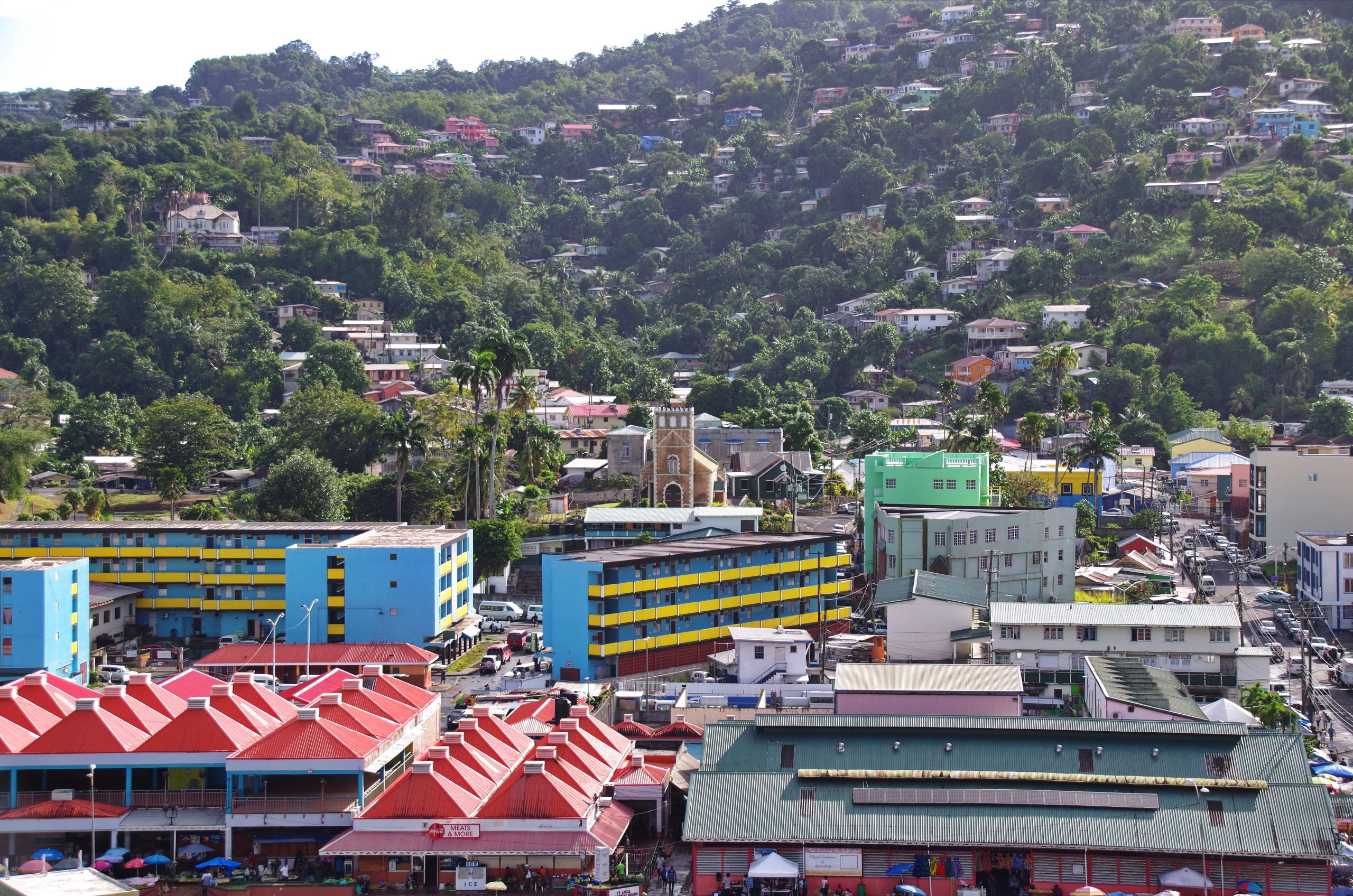
Further north, Castries is the capital and the main harbour, a working city with markets and a cruise port, not just a resort strip. Rodney Bay and Gros Islet, in the island’s north, hold the busier nightlife and marina scene, while Marigot Bay, on the west coast, is the quieter, postcard harbour that travel writers return to again and again.
That mix is part of why the longer Canadian stay matters. A six day trip tends to stay close to the resort. A ten day trip has room for Soufriere, for Castries market, for a boat day, and for a day doing nothing at all, which is also a legitimate holiday plan.
Who this trip suits, and who should wait
Saint Lucia suits travellers who want a Caribbean island with mountains, rainforest, and a distinct French and English Creole heritage, rather than a flat beach island. It suits hikers, because Gros Piton can be climbed with a guide, and it suits food lovers, because the island’s Creole cooking, from green fig and saltfish to fresh seafood in Castries, is a draw in its own right.
It is less suited to travellers who want the cheapest possible week in the sun, or who want a short hop with daily flights on every day of the week. Even at nine Toronto flights a week in peak winter, Saint Lucia is not Jamaica or the Dominican Republic in scale, and its hotel stock is smaller. Book early for peak weeks, and be ready for a transfer from Hewanorra International Airport in the south to a hotel in the north, which is a drive of well over an hour.
What to check before you book
No fares are quoted here, on purpose. Fares change by date, cabin, and booking channel, and a number printed today would mislead more than it would help. What matters is the total: flight, bags, transfers from Hewanorra International Airport to your hotel, and the cost of the longer stay that Canadians tend to take.
Check the live schedule first, because the November frequencies are planned, not yet flown. Check which Toronto departure days actually operate in your week, because a four times weekly schedule does not mean four departures on the days you want. And check the total price against the other winter sun options, because Saint Lucia’s appeal is the island itself, not a bargain fare.
The tourism authority has also said it is talking to other Canadian carriers, including Porter and Air Transat, about even more lift. That is a negotiation, not a route, and it should not be read as a promise of new flights.
For now, the story is simple and it is verified: Canadians are visiting Saint Lucia in growing numbers, up 20 percent in the first seven months of the year, and Toronto flights rise in November to meet them.
Sources: Saint Lucia Tourism Authority figures reported by PAX News, Travelweek, and Open Jaw, September 2026, around the Toronto International Film Festival; Saint Lucia Government portal, April 2026 arrivals. November and winter frequencies are planned schedules announced in September and should be re-checked against live airline schedules. No fares are quoted because fares change by date and booking channel.
For readers spending the holidays closer to home: the Afro-Caribbean Nutcracker returns to Toronto on November 19 and 20, with dates, venue, and ticket prices explained.



Get the next guide first. Join the Yardie Dispatch.





Be the first to comment. Start the conversation!