
Your finger is on the record button. The radio is low so nobody wakes up, and the DJ is talking too long. The song you want is next, and if he talks over the first five seconds, the whole tape is ruined. The red light is on. Then the intro starts clean, and you press down.
That was how you got music. A blank tape, a radio, and patience.
This is Sunday Reminisce, our weekly feature on the things we used to do as kids. Last Sunday, we chased the ice-cream truck, the sky juice man and the snow cone man. Today, the cassette tape and the mixtape that knew you better than you knew yourself.
The red light
Dubbing off the radio was a skill, and everybody in the house knew not to interrupt it. A blank tape cost money, so a 90 minute tape was a serious purchase. Forty five minutes a side, planned like a set list: the good songs first, the maybe songs at the end, where you could tape over them later.
The radio was the record store. The Saturday countdown, the evening request show, the late night reggae and soca slots, that was where new music arrived. The DJ was the enemy and the friend at the same time. He played the songs, and he talked over the best part of them, part station branding, part making sure you never got a clean copy. You learned his habits fast.
When it worked, it felt like stealing and winning at once. When he talked over the intro, you rewound and waited for next Saturday. There was no replay button.
The mixtape
A bought tape was one thing. A made tape was something else. The mixtape was the gift you gave when you could not afford a gift, made for your best friend, the girl you liked, the cousin going back home. The order was the whole art. The first song had to hit. The last song on side A had to make them flip the tape over.
You wrote the track list by hand on the card in the case and gave the tape a name. A tape called “For the Road” or “Slow Jams” was a whole letter, except it was music.
And the pencil. When the tape got loose, you stuck a pencil in the little gear and wound it back by hand, because a creased tape never sounded right again.
Tapes got lent and never came back. That was the rule, and you did not really mind. A tape that travelled was a tape that worked.
The Walkman and the boombox
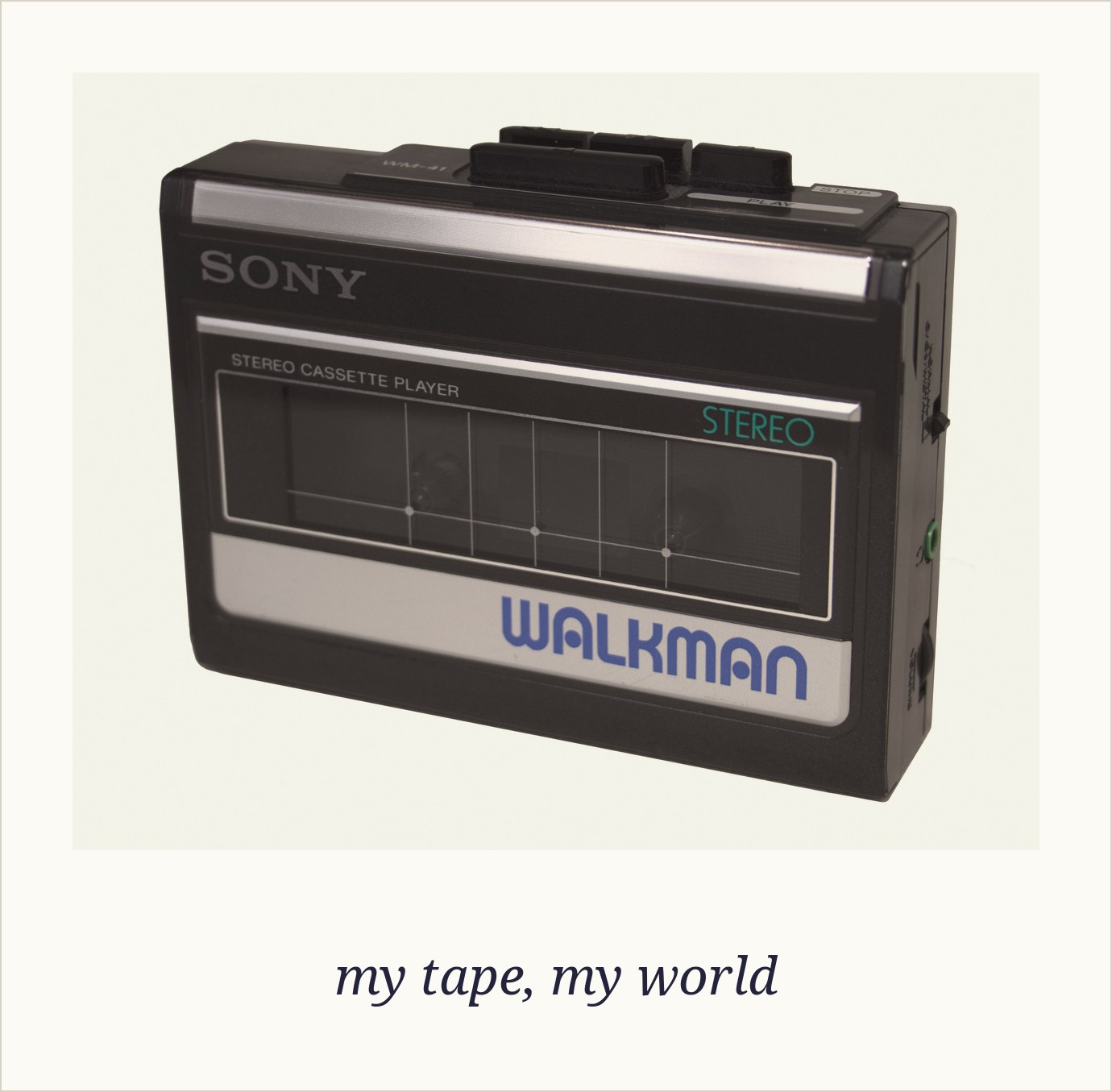
Then the music left the house. The Walkman, Sony’s little box from 1979, put a whole tape in your pocket and headphones on your ears, and suddenly the bus ride and the walk to school had a soundtrack. Your tape, your order, your world, and nobody else could hear it.
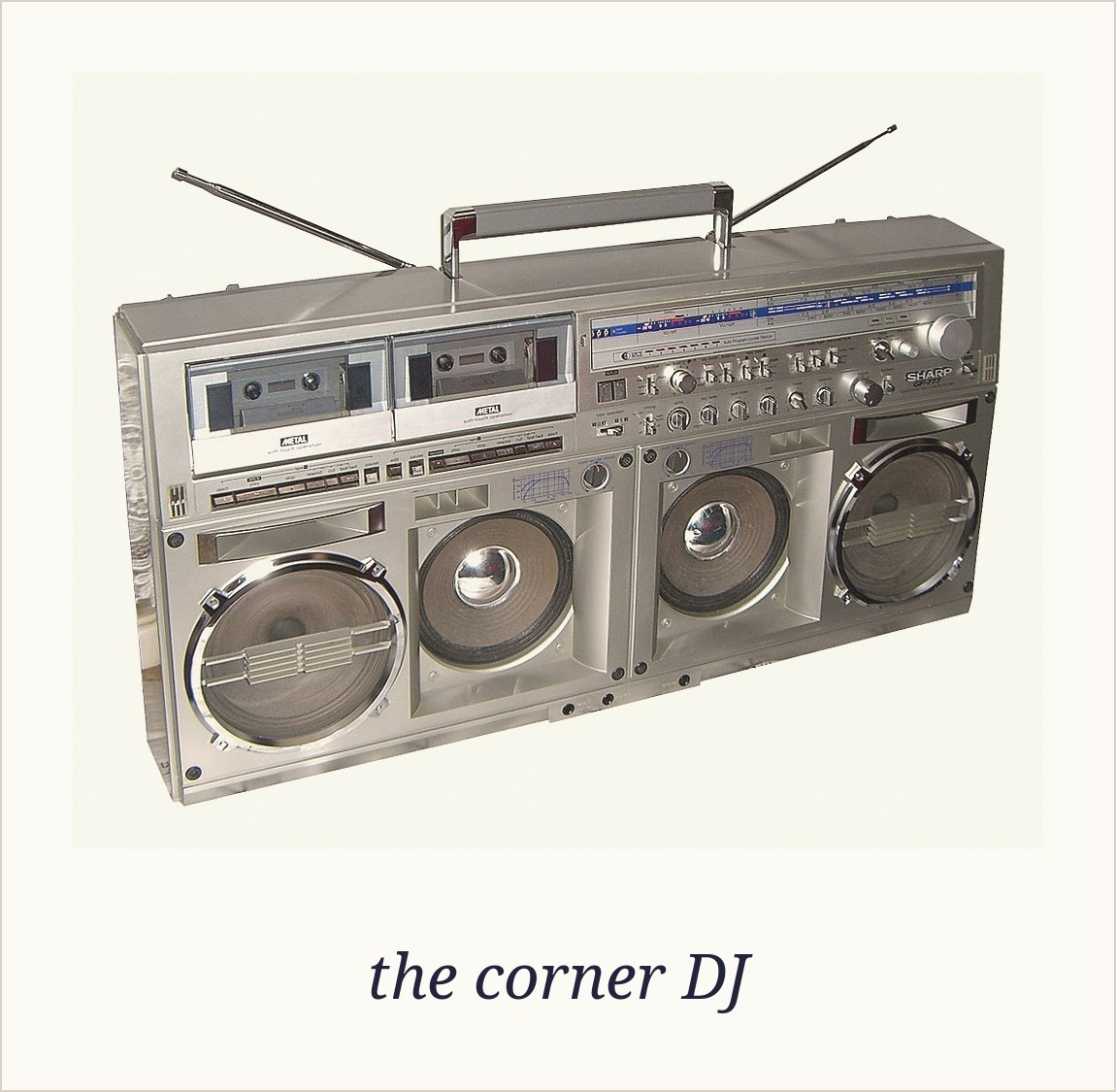
The boombox did the opposite. It made music public again, loud on purpose. One box on the corner or the basketball court, and everybody in earshot was listening to your tape. In Jamaica, the sound system was the bigger version of the same idea: huge speakers, a selector, and dubplates, songs cut for that sound alone, heard only at that dance. Tapes of those dances travelled hand to hand, Kingston to Toronto.
The Walkman was private. The boombox was public.
What the tapes taught us
The tapes taught you patience. You could not skip to the good part. You waited for the song, waited for the side to finish, waited for the tape to rewind.
They taught you curation. A tape only held ninety minutes, so every song had to earn its place next to the one before it. That is the same instinct people now call a playlist, except the playlist never cost you a Saturday afternoon and a sore thumb.
And they taught you that music was something you shared with your hands. You handed somebody a tape and watched them press play.
If this one took you back, the Sunday Morning Briefing lands every Sunday at 10 AM with more of it. Sign up at canadianyardie.com/#newsletter.
Then vs now: where did the tapes go?
The tapes did not die all at once. CDs came first, then downloads, then streaming, and each one made the tape less necessary. Why wait a week for a song when you could have it in ten seconds?
But the tape never fully went away. In the GTA, record shops still stock them, and the mixtape instinct never left, it just changed shape. The playlist is the mixtape with no pencil and no waiting. Sound system culture never left either, and the artists carrying it forward, like the soca voices in the CanadianYardie Radar feature on Natasha Marie, still build their names the same way: one song, one stage, one crowd at a time.
At the gatherings run by the organizations in The Community Directory, somebody still argues about which side of the city plays the music better, the same argument since the Scarborough or the West End debate started. The format changed. The argument did not.
The best thing you can do with a memory like this is pass it on. Make somebody a playlist. Better yet, find a blank tape, sit by the radio, and wait for the DJ to stop talking.
Your turn
What was on your tape? The first song you ever dubbed off the radio, the mixtape somebody made for you, the one that never came back? Tell us in the comments, or tag @canadianyardie. The best ones will get quoted in a future Sunday Reminisce.
And if you want Sunday Reminisce in your inbox every week, join the Sunday Morning Briefing at canadianyardie.com/#newsletter. Sunday Reminisce lands at 9 AM, the Briefing follows at 10 AM.
FAQ
What is a dubplate?
A dubplate is a song cut special for one sound system, usually a one off acetate with the artist calling out that sound’s name. You could only hear it at that sound’s dance, which is why tapes of those dances were so prized. It is still a big part of sound system culture today.
Why did DJs talk over the start of songs?
Partly station branding, so you knew which station you were on, and partly to stop you getting a clean copy at home. Dubbing off the radio was the home taping the labels warned about. Tape kids just learned which DJs talked the least.
Can you still buy cassette tapes in Toronto?
Yes. Record shops across the GTA still stock new and used tapes, and new artists still release music on cassette as a limited edition. The tape never fully left, it just went from the only way to hear music to one choice among many.


Get the next ranking first. Join the Yardie Dispatch.


Be the first to comment. Start the conversation!