
One year after Hurricane Melissa flattened half of Jamaica’s forests, Canada is putting real money behind growing them back. Foreign Affairs Minister Anita Anand announced $4.8 million over five years for the Jamaica forest resilience and recovery initiative, known as JAM Forest, as the Commonwealth summit in Antigua wrapped up on November 4. It will restore forests and forest-dependent livelihoods in the parishes Melissa hit hardest, through the Inter-American Development Bank.
What the money pays for
The funding pays for the unglamorous work after the chainsaws. Global Affairs Canada’s grants record lists rapid damage assessments, rebuilding forest nurseries so seedling production can scale up, restoring damaged forest land with climate-resilient planting, monitoring systems that track recovery, and recovery grants to help forest-dependent communities rebuild their livelihoods. The agreement runs from March 2026 to June 2031.
The damage in numbers
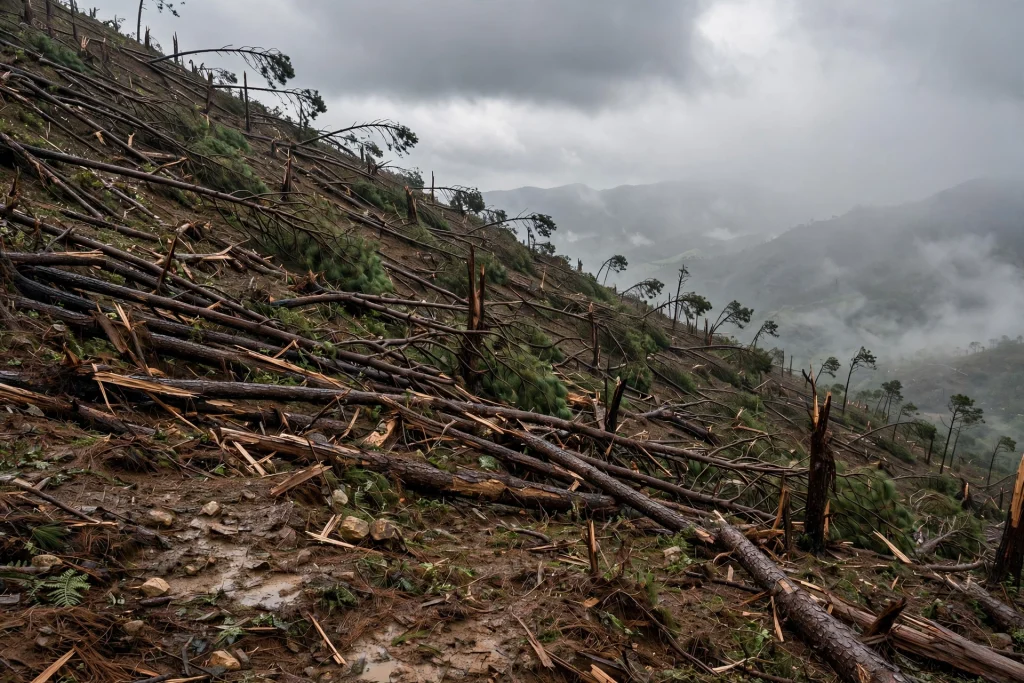
Jamaica’s Forestry Department reported that Melissa damaged about 51 percent of the island’s forest cover, more than 270,000 hectares out of roughly 523,000. About 42,000 hectares of broadleaf forest were damaged, along with more than 2,000 hectares of mangroves across five parishes. The storm was the strongest ever recorded in Jamaica, and the UN Economic Commission for Latin America and the Caribbean put total damage at US$12.2 billion, equal to 56.7 percent of the country’s 2024 GDP. Forest cover had risen to 47 percent in 2024, up from 40 percent in 2013, before Melissa reversed that in a single night.
Jamaica already started planting
Jamaica is not waiting for the money before starting. The Forestry Department launched its RE-LEAF reforestation plan in January 2026, targeting 300,000 seedlings planted between January and June. More than 170,000 were earmarked for priority watersheds that protect drinking water, 50,000 for urban areas, and at least 30,000 fruit trees meant to feed people while they stabilise soil. By early March, crews had planted 4,000 trees. Canada’s money slots into that effort.
Where this sits in the CHOGM money
Here is where it fits. It is one of four items inside the more than $15 million package Anand announced as CHOGM closed on November 4, 2026. The other three are $4.65 million for climate finance access, $300,000 for women’s economic empowerment in Mozambique and Eswatini, and $5.6 million for audit institutions in nine Indo-Pacific countries. The forests money is the only Jamaica-specific item in that package. The climate finance item also reaches Belize, Dominica and Grenada, but the forests money is the only one aimed at a single Caribbean country. It is also separate from the $70 million Carney announced at CHOGM, which our earlier report broke down into a $23 million Caribbean share across four projects.
What it means for the diaspora
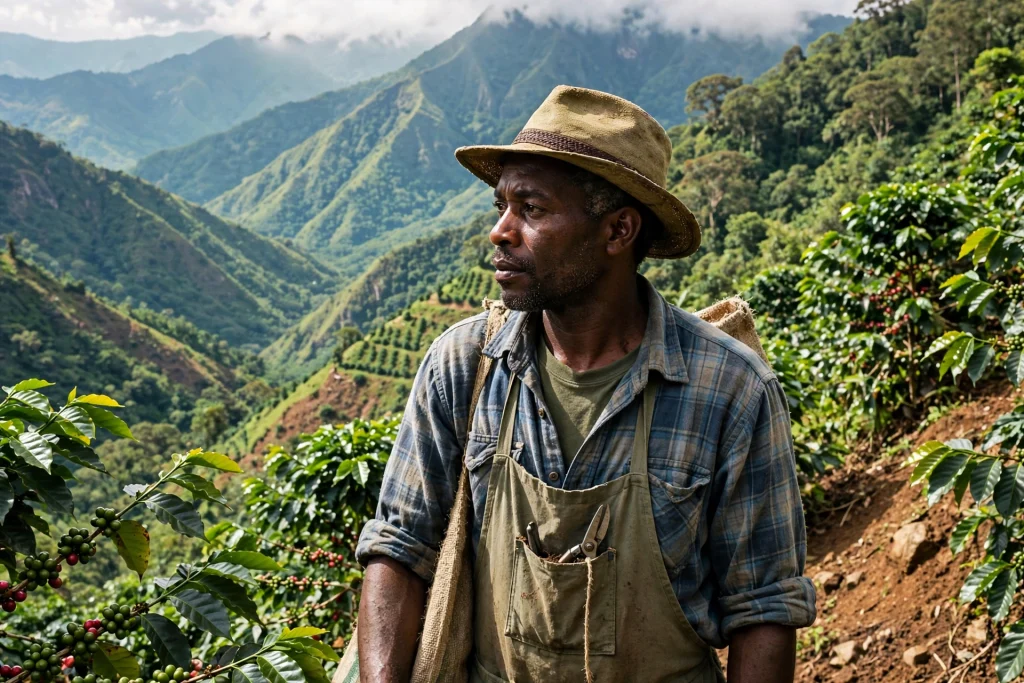
For Jamaicans in the GTA sending money home, or planning a trip back, the forests are not scenery. They hold the hillsides together, feed the rivers, and the mangroves shield the south coast parishes where Melissa landed. The Blue Mountain coffee hills, the watersheds, the fishing villages behind the mangroves all run through the forests. Plenty of GTA Jamaicans will see the recovery firsthand this winter, with 400,000 seats from Canada to Jamaica this winter on sale. Many will stay in Negril, where Negril hotels turning into condos is still unfolding. Five years and $4.8 million will not regrow 270,000 hectares overnight. But it is targeted money, through a bank that already works in the region, aimed at the nurseries, the monitoring and the small grants that decide whether replanting sticks. That is the part worth watching.
Jamaica forests funding: your questions answered
How much is Canada giving Jamaica for its forests?
Canada is giving $4.8 million over five years to the Jamaica forest resilience and recovery initiative, known as JAM Forest. Minister Anita Anand announced it on November 4, 2026, as the Commonwealth summit in Antigua closed, and it runs through the Inter-American Development Bank.
What does the money actually pay for?
Damage assessments, rebuilding forest nurseries to scale up seedling production, restoring damaged forest land with climate-resilient planting, monitoring that tracks recovery, and recovery grants for forest-dependent communities. The agreement runs to June 2031.
Is this part of Carney’s $70 million CHOGM announcement?
No. It sits inside the separate package of more than $15 million that Minister Anand announced at the same summit, and it is the only Jamaica-specific item in it. Carney’s $70 million is a different announcement, and its Caribbean share is $23 million across four projects.

Get the next ranking first. Join the Yardie Dispatch.



Be the first to comment. Start the conversation!